
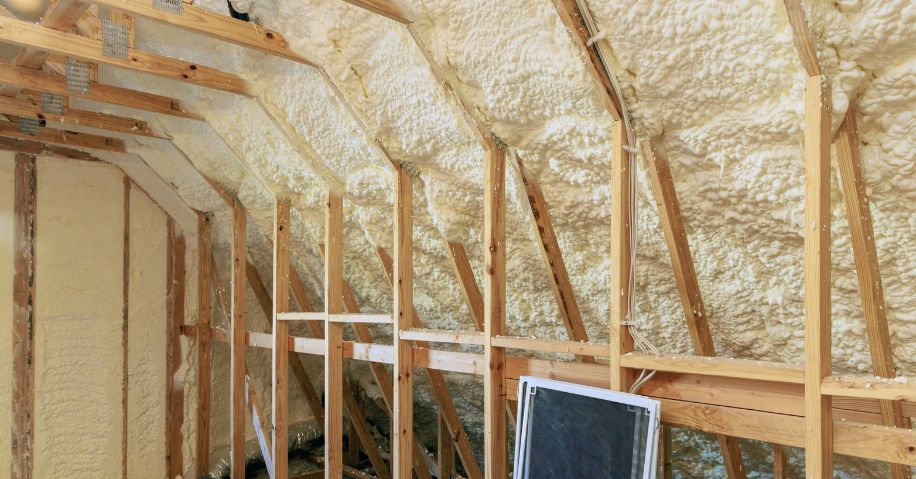
Indoor air quality is a significant concern for any commercial property manager or owner, as it directly impacts the health and well-being of the occupants. Among the various factors influencing indoor air quality, foam wall insulation plays a pivotal role. Insulation not only affects thermal comfort but also has implications for the air breathed within the building.
The Basics of Foam Wall Insulation
Foam wall insulation is a popular choice for commercial insulation due to its high energy efficiency and ability to seal even the smallest leaks and gaps in building envelopes. By creating a tight barrier against external air, foam insulation helps maintain consistent indoor temperatures and reduce energy costs. However, its impact on indoor air quality must be considered to ensure a healthy environment.
Sealing Properties and Air Quality

The very property that makes foam wall insulation effective at energy conservation—its air-sealing capability—also means that any contaminants inside the building cannot easily escape. If the insulation is not installed correctly or if the building lacks adequate ventilation, this can lead to poor indoor air quality. Volatile organic compounds (VOCs), dust, and other allergens can become trapped inside, potentially harming occupants.
The Importance of Proper Installation
Proper installation of commercial insulation is crucial. Incorrect installation can lead to gaps or compression, which not only diminishes the insulation’s effectiveness but can also trap moisture. This trapped moisture can become a breeding ground for mold and mildew, which are detrimental to indoor air quality. Ensuring that the insulation is properly installed and sealed can mitigate these risks.
The Role of Insulation Removal
Over time, old insulation can deteriorate, leading to reduced efficacy and potential health hazards from materials that may break down or harbor mold. The process of insulation removal is essential when upgrading or replacing old or damaged insulation. Removing old insulation and replacing it with new, high-quality foam wall insulation can significantly improve the indoor air quality by eliminating sources of pollutants and allergens.
Updating Insulation for Improved Air Quality
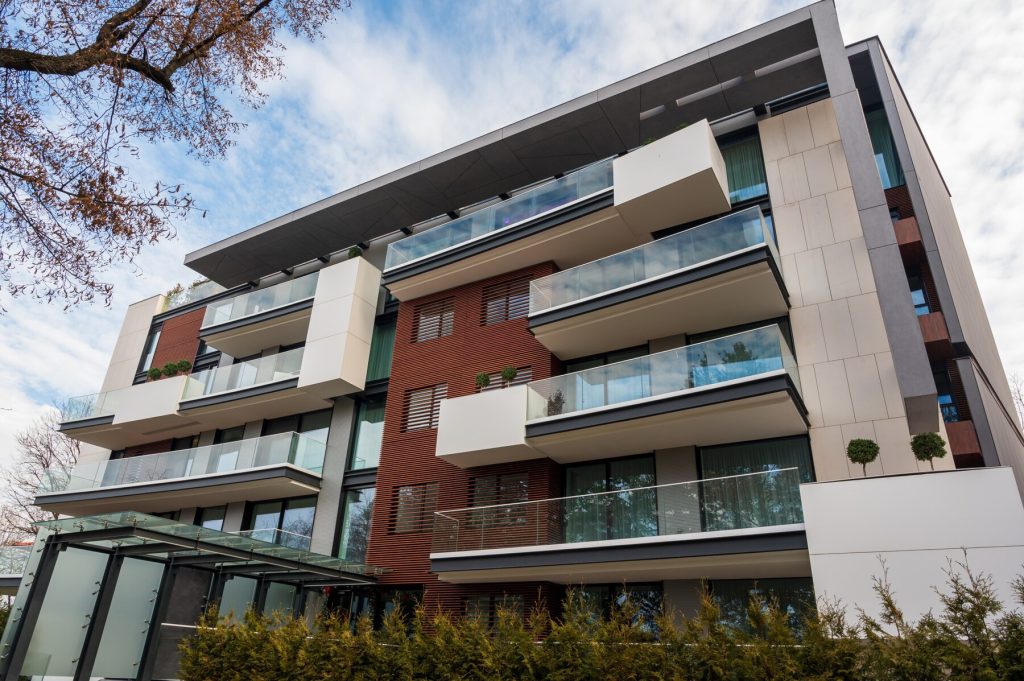
For buildings with outdated or poor-quality insulation, updating to modern commercial insulation solutions like foam insulation can have a pronounced positive effect on air quality. New insulation materials are designed to be more inert and less likely to emit harmful chemicals or degrade over time compared to older materials.
Foam wall insulation is an excellent choice for energy conservation in commercial buildings, but its implications for indoor air quality cannot be overlooked. Proper installation and maintenance, coupled with regular inspections and timely removal of old insulation, are essential to ensure that this insulation benefits the building’s thermal performance without compromising the health of its occupants.

Investing in high-quality commercial insulation and ensuring it is expertly installed and maintained is crucial for building managers aiming to improve comfort and safety. Contact our experts today to learn more about how our commercial foam wall insulation services can help you enhance your property’s energy efficiency and indoor air quality.