

Temperature control, energy efficiency, and sound management all start within the walls of your building. For commercial and industrial properties, especially server rooms, warehouses, and multi-use facilities, these factors are more than comfort concerns; they directly affect performance, equipment longevity, and operational costs.
Choosing the right approach to insulating interior walls can make a significant difference in maintaining consistent temperatures, improving energy performance, and protecting assets. Each space comes with unique demands, and the right insulation system must meet them head-on.
Insulating Server Rooms: Precision and Protection
Few areas demand environmental control as precisely as server rooms. Temperature fluctuations, humidity, and even small air leaks can affect equipment reliability and lifespan.
Best Material
Spray foam insulation is ideal for creating an airtight seal. Its high R-value and moisture resistance help prevent overheating and protect sensitive equipment from humidity.
Thermal Efficiency
Adding a radiant barrier over insulation can further reflect heat away from walls or ceilings, keeping cooling systems from overworking.
Sound Control
Incorporating wool insulation batts or similar sound-absorbing materials can help minimize noise from fans and equipment.
For these environments, even small details like sealing conduit gaps or insulating around ductwork can prevent thermal leaks and maintain consistent temperature performance.
Insulating Warehouses: Balancing Volume and Efficiency

Warehouses often face the opposite challenge: vast open spaces that are difficult to regulate. The key is to combine large-scale coverage with insulation that can withstand variable temperatures and moisture.
Best Material
Spray foam insulation is ideal for sealing large spans of wall and ceiling space. It adheres directly to metal or concrete surfaces, creating a continuous thermal barrier. Another option is R19 insulation, which provides reliable thermal resistance while remaining cost-effective.
Thermal Efficiency
Installing a radiant barrier over insulation is particularly effective in metal warehouses, helping reflect radiant heat away from the interior and lowering cooling costs.
Properly insulating interior walls in warehouses also improves occupant comfort for employees, stabilizes storage conditions, and reduces energy waste from HVAC systems working overtime to combat outdoor temperature extremes.
Insulating Multi-Use Facilities: Versatility and Comfort
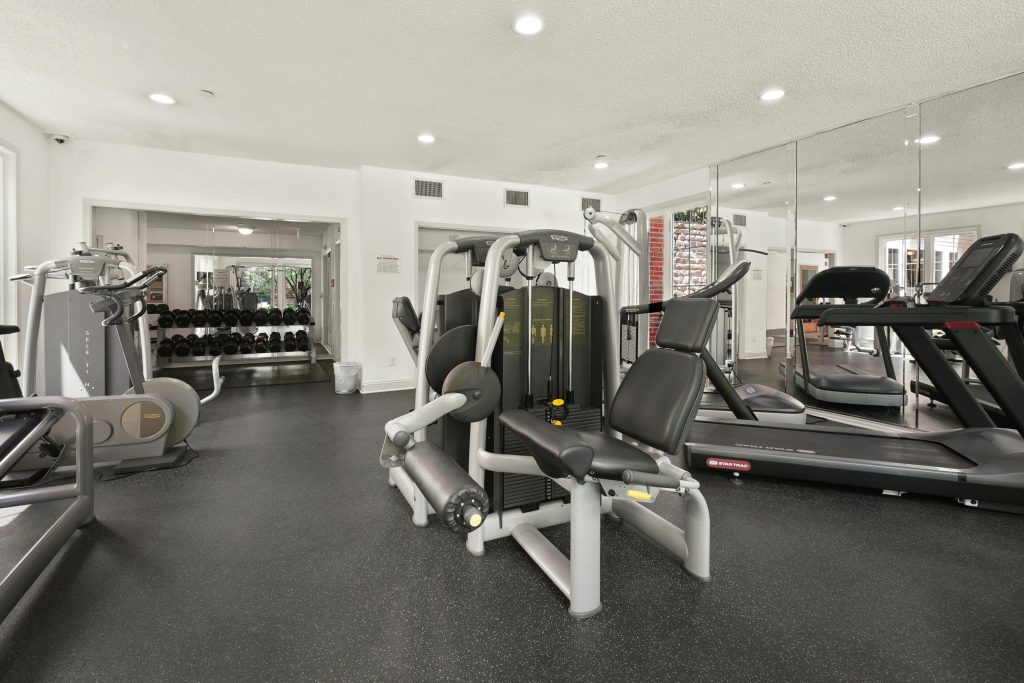
Multi-use facilities, such as office-warehouse hybrids, gyms, or event spaces, require a flexible insulation strategy that balances temperature control, noise reduction, and indoor air quality. Effective insulation options include:
- Wool Insulation Batts: An eco-friendly, natural solution that regulates humidity and provides excellent acoustic performance, perfect for occupied spaces or offices.
- R19 Insulation: Commonly used in interior partitions to separate conditioned and unconditioned zones, offering both thermal and sound control benefits.
- Spray Foam Insulation: For large, irregular surfaces or upper ceilings, spray foam creates a consistent air barrier, improving overall efficiency.
When insulating interior walls in multi-use environments, it’s also important to consider fire ratings and local code compliance. Materials like mineral wool or treated fiberglass can enhance fire resistance while maintaining performance.
Insulating Pole Barns and Specialty Storage Spaces
While pole barns and agricultural buildings may not always have interior finishes, they still benefit greatly from strategic insulation. Properly insulating pole barn walls can reduce condensation, protect equipment, and improve year-round usability.
Best Material
Closed-cell spray foam insulation offers structural rigidity and moisture resistance ideal for metal or wood-frame barns. R19 insulation works well for finished walls or retrofits where the barn will be temperature-controlled.
Thermal Efficiency
Adding a radiant barrier over insulation helps deflect radiant heat in sunny regions.
By combining materials like spray foam insulation and radiant barriers, property owners can transform pole barns into versatile, energy-efficient structures suitable for storage, workshops, or light industrial use.
Why Interior Wall Insulation Matters for Energy and Comfort
While roof and exterior wall insulation often get the spotlight, insulating interior walls plays a crucial role in both energy performance and comfort. Interior insulation:
- Helps isolate conditioned zones within large buildings
- Reduces energy waste by limiting temperature transfer
- Controls noise between rooms or departments
- Improves air quality by managing moisture and condensation
Every building benefits from a custom approach that considers layout, regional climate, and functional needs, especially in demanding environments like server rooms and warehouses.
From the precision control of server rooms to the wide-open spaces of warehouses and pole barns, effective insulation is about much more than keeping heat in or out; it’s about protecting productivity, equipment, and people.
By choosing the right materials and combining them with techniques like a radiant barrier over insulation, property owners can ensure efficient, comfortable, and code-compliant environments.

At Brazos Thermal Systems, we specialize in insulating interior walls and specialty spaces with expert guidance, durable materials, and solutions tailored to the demands of your facility. Contact us for professional insulation services designed for performance and longevity.