

The Complete Guide to Commercial Insulation Services

Table of Contents
- Introduction To Commercial Insulation
- Types of Commercial Insulation
- Spray Foam Insulation
- Open-Cell Foam Insulation
- Closed-Cell Foam Insulation
- Blown-In Insulation
- Cellulose
- Fiberglass
- Fiberglass Batt Insulation
- Soundproofing Insulation
- Insulation Removal And Replacement
- Fireproof And Safety Considerations
- Energy Efficiency Benefits
- Indoor Air Quality Considerations
- Choosing The Right Insulation For Your Commercial Building
- FAQs
- Final Thoughts
Introduction to Commercial Insulation
Commercial insulation protects your building from energy loss, enhances comfort, and helps manage noise levels. With so many insulation options available, selecting the right material for your structure can feel overwhelming. From spray foam to fiberglass and cellulose, this guide will help you understand the benefits, installation considerations, and long-term value of each insulation type.

Types of Commercial Insulation
Understanding the types of commercial insulation available is the first step in making an informed decision. Here’s a breakdown of the most common commercial insulation types:
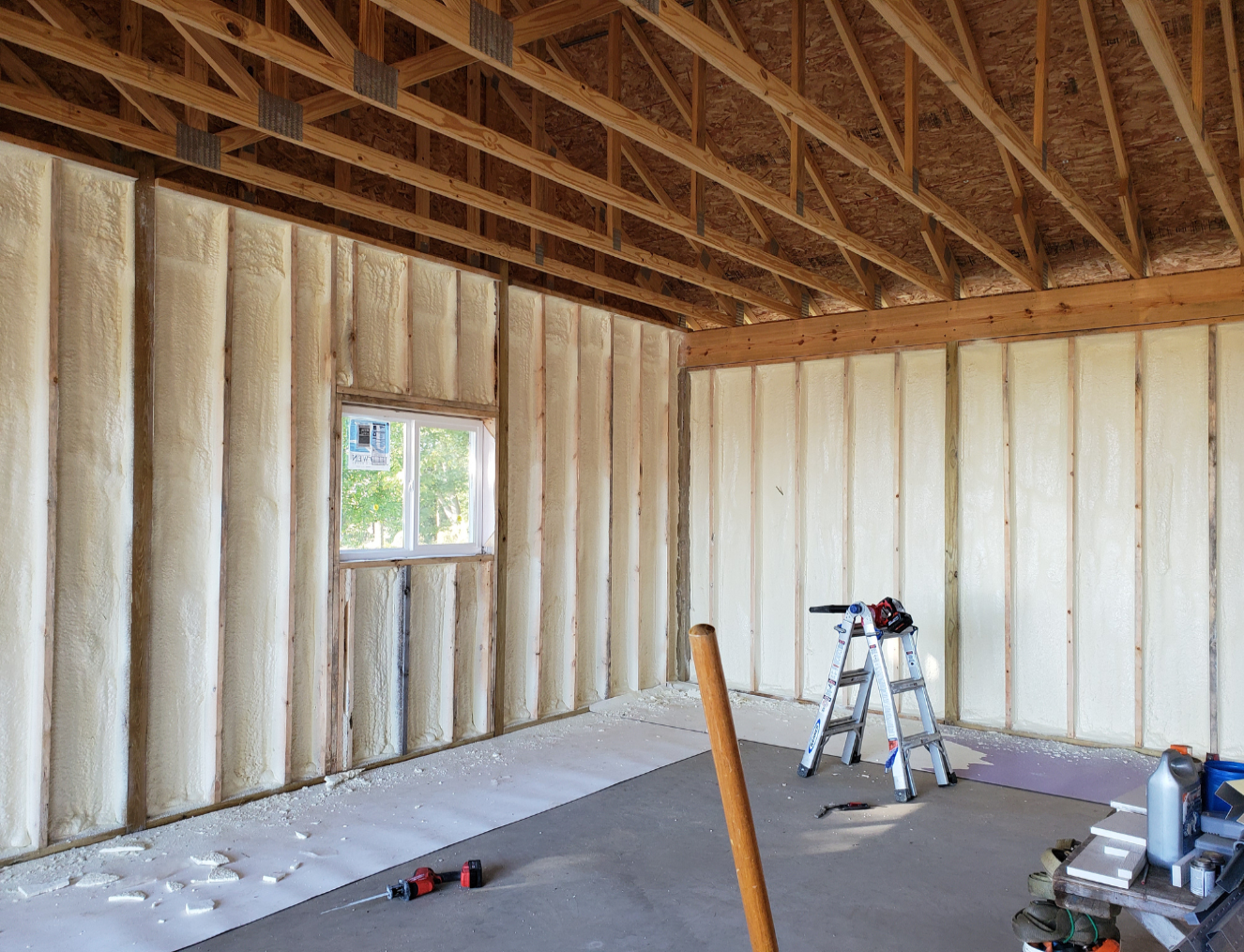
Spray Foam Insulation
Spray foam insulation is applied directly to walls, ceilings, or roof decks, expanding to create a seamless air barrier. This insulation offers excellent R-values, energy efficiency, and long-term durability. Spray foam is ideal for both new construction and retrofit projects.
Benefits of Spray Foam Insulation:
- Creates a continuous air and moisture seal
- Reduces energy loss and drafts
- Adds structural strength to walls and ceilings
- Works for irregular surfaces and hard-to-reach areas
Resources:
Explore how our spray foam services can improve energy efficiency, reduce air leakage, and provide long-lasting insulation for commercial buildings.

Open-Cell Foam Insulation
Open-cell spray foam insulation is softer and more flexible than closed-cell foam. It expands more upon application, filling gaps and improving soundproofing. It’s also moisture-permeable, making it a good option for interior spaces where breathability is desired.
Benefits of Open-Cell Foam Insulation:
- Excellent sound dampening
- Expands to fill tight gaps and voids
- Cost-effective insulation for large areas
- Allows controlled moisture permeability
Resources:
Discover the unique advantages of open-cell foam, including sound dampening, flexibility, and energy savings.
Learn how open-cell foam can help your commercial building achieve net-zero energy performance.

Closed-Cell Foam Insulation
Closed-cell spray foam insulation is denser, rigid, and provides a higher R-value per inch. It’s water-resistant and adds structural strength to walls and roofs, making it ideal for areas exposed to moisture or extreme weather conditions.
Benefits of Closed-Cell Foam Insulation:
- Creates a strong vapor barrier
- Provides exceptional moisture protection
- Adds rigidity to walls and roofs
- Offers long-lasting insulation performance
Resources:
Explore how closed-cell foam delivers superior insulation, moisture resistance, and structural support for commercial properties.
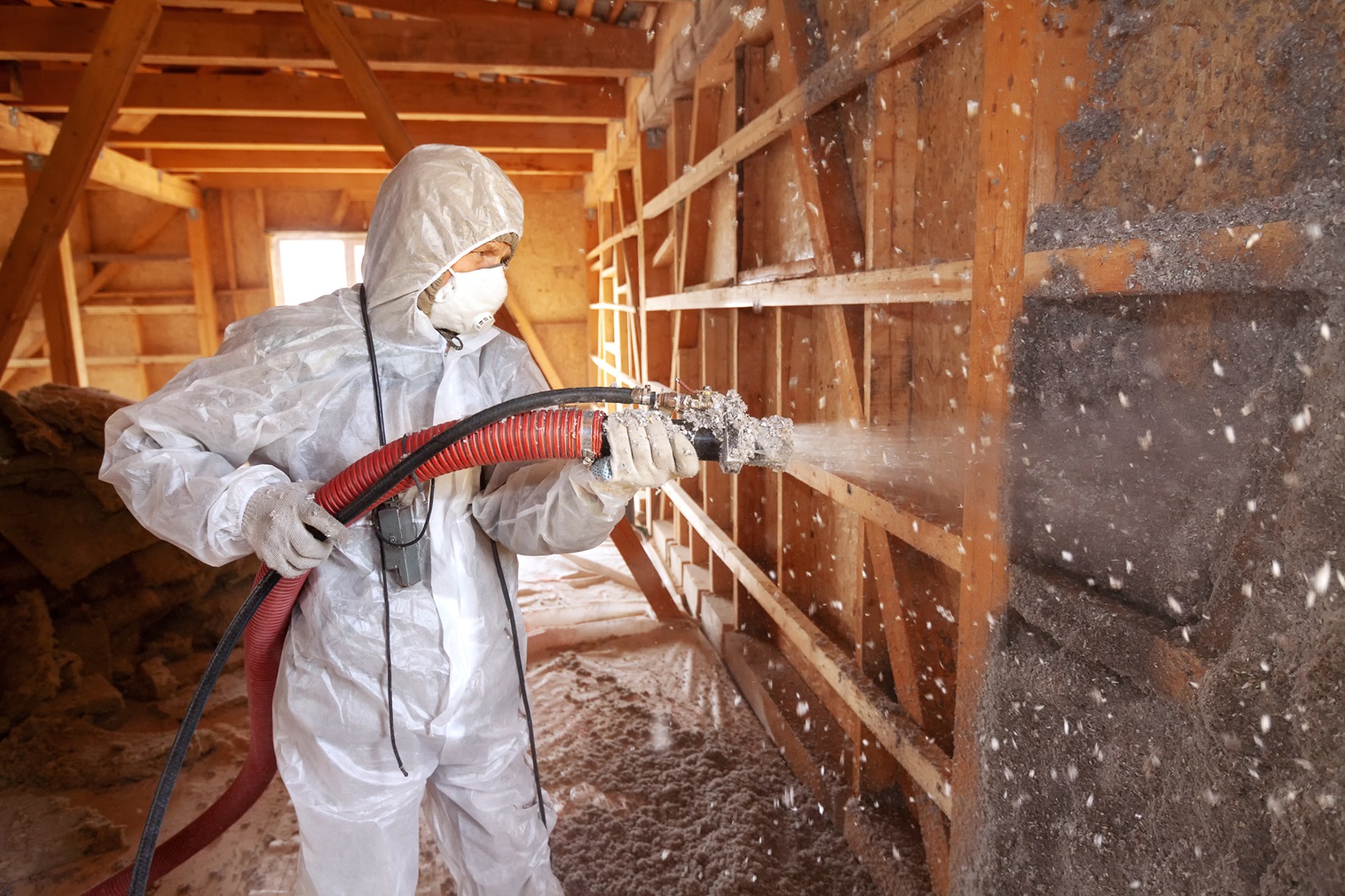
Blown-In Insulation
Cellulose
Blown-in cellulose insulation is made from recycled paper treated for fire resistance. It’s an eco-friendly option that fills irregular spaces effectively, reducing air leakage and improving energy efficiency.
Benefits of Blown-In Cellulose:
- Sustainable and environmentally friendly
- Excellent coverage and air-sealing capabilities
- Fire-resistant and pest-resistant
- Affordable retrofit solution
Resources:
Learn why cellulose insulation is sustainable, efficient, and ideal for retrofitting commercial walls and ceilings.
Fiberglass
Blown-in fiberglass is a loose-fill insulation made from spun glass fibers. It’s effective in reducing energy loss and can be used in attics and wall cavities.
Benefits of Blown-In Fiberglass:
- Versatile installation for multiple building types
- Consistent R-value retention
- Quick installation with minimal disruption
- Excellent fire safety performance
Resources:
Understand how blown-in fiberglass can provide flexible insulation solutions for commercial applications.
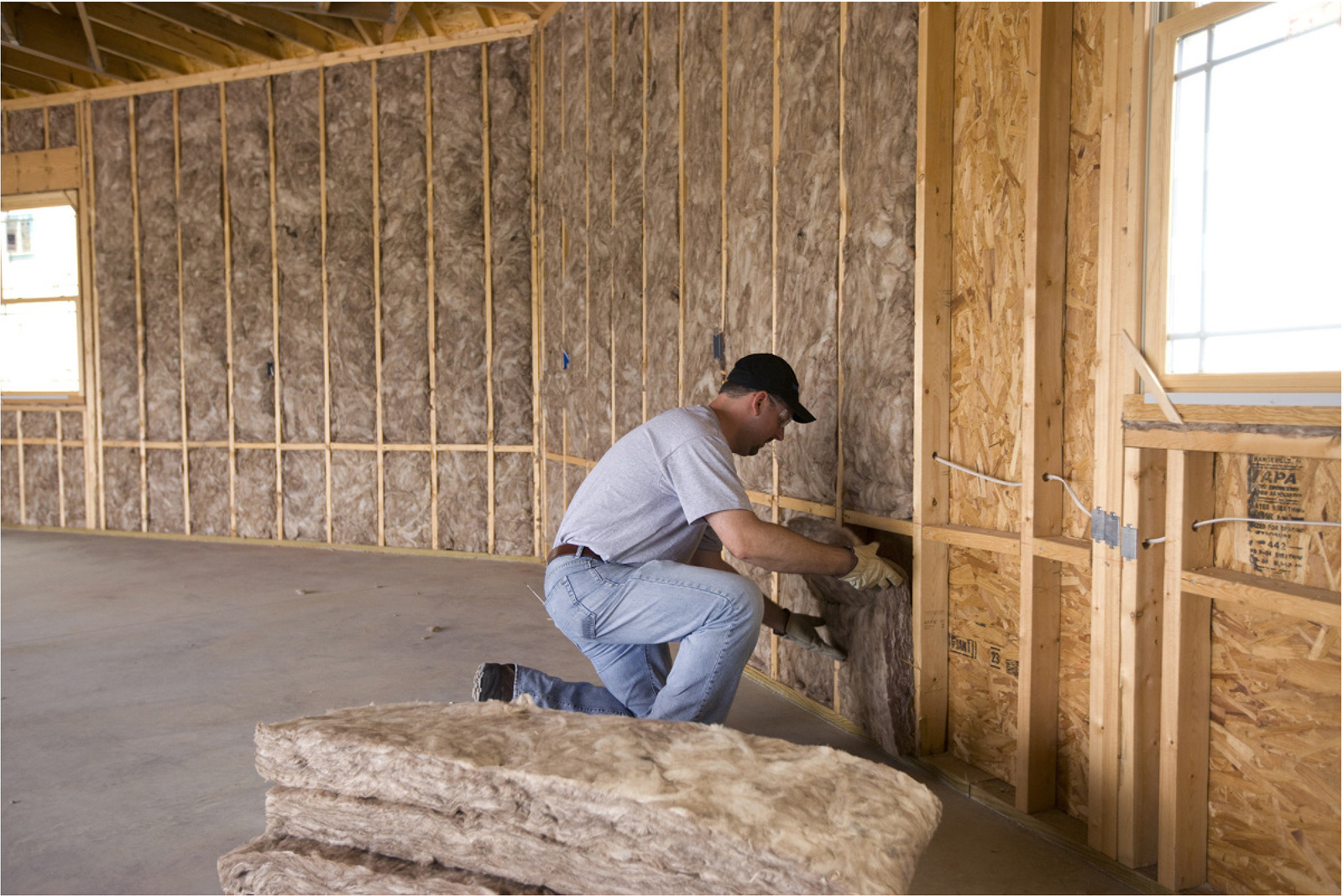
Fiberglass Batt Insulation
Fiberglass insulation batts are pre-cut panels that fit between wall studs, floor joists, and ceiling rafters. They are a cost-effective option for many commercial buildings and provide reliable thermal performance.
Benefits of Fiberglass Batt Insulation:
- Easy to install and maintain
- Cost-effective and long-lasting
- Provides solid thermal and acoustic control
- Resistant to fire and moisture
Resources:
Explore the benefits, installation methods, and energy-saving potential of fiberglass batt insulation.
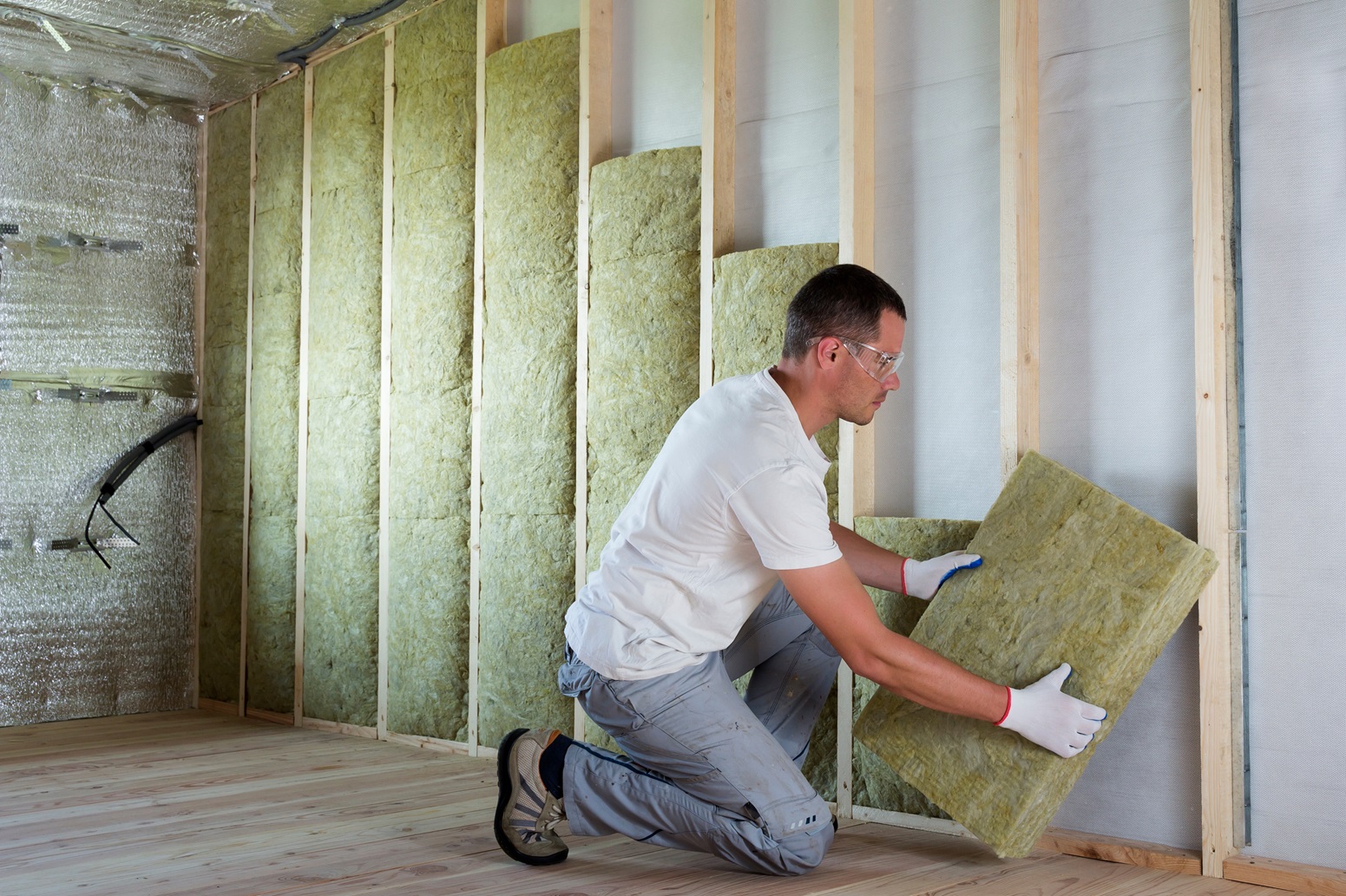
Soundproofing Insulation
In offices, multi-family buildings, or healthcare facilities, reducing noise is crucial for comfort and productivity. Insulation for sound deadening helps block or absorb sound, creating quieter environments.
Benefits of Soundproofing Insulation:
- Enhances acoustic comfort
- Reduces sound transfer across rooms or floors
- Improves occupant productivity
- Can be combined with thermal insulation
Resources:
Learn how soundproofing insulation can enhance acoustics and limit sound transmission in commercial spaces.
Understand the benefits of soundproofing walls in noisy commercial environments.

Insulation Removal and Replacement
Old or damaged insulation can reduce energy efficiency, affect air quality, and increase utility costs. Proper removal and replacement ensure that your building maintains peak thermal performance and safety standards.
Signs It’s Time for Replacement:
- Rising energy costs
- Visible mold or water damage
- Pest infestations
- Uneven indoor temperatures
Resources:
Step-by-step guidance on safely removing old insulation to prepare your building for upgrades.
Learn how to evaluate your existing insulation and decide when it’s time for an upgrade.
See how removing and replacing
insulation can save your business money.
Fireproof and Safety Considerations
Fire-resistant insulation helps protect your building and occupants while meeting local building codes. Materials like treated cellulose, fiberglass, and specialized spray foams can improve safety without compromising energy performance.
Top Fire-Resistant Options:
- Treated cellulose insulation
- Mineral wool
- Fiberglass
- Specialty spray foams with fire retardants
Benefits:
- Helps prevent flame spread
- Meets local building codes
- Adds peace of mind for property owners

Resources:
Explore the options for fire-resistant insulation and how to implement them in commercial properties.

Energy Efficiency Benefits
Insulation is one of the most effective ways to reduce energy costs. Properly installed insulation keeps heating and cooling systems efficient, reduces thermal bridging, and helps buildings meet sustainability goals.
Key Energy Benefits:
- Stabilizes indoor temperatures
- Reduces HVAC strain and maintenance
- Improves occupant comfort
- Lowers utility bills
Resources:
Learn how commercial insulation can lower utility bills and improve energy efficiency.
See how R19 insulation can improve HVAC efficiency in every season.

Indoor Air Quality Considerations
Insulation affects airflow, humidity, and indoor air quality. Choosing materials that resist mold, dust accumulation, and off-gassing is critical for a healthy building environment.
Benefits for Air Quality:
- Prevents condensation and mold growth
- Limits dust and allergen spread
- Enhances ventilation and humidity control
Resources:
Understand how different insulation types can impact the indoor air quality of your commercial space.
Choosing the Right Insulation for Your Commercial Building
Selecting the right insulation involves balancing R-value, material type, building structure, and budget. Professional consultation ensures that your commercial property receives the most effective, safe, and long-lasting solution.
Tips for Selection:
- Match insulation R-values to your regional climate
- Balance cost, efficiency, and maintenance
- Consult with experienced commercial insulation professionals

Shopify Partners from Burst
Resources:
Learn how climate considerations affect insulation performance and select the best material for your commercial property.
Compare open-cell and closed-cell foam to make an informed decision for your commercial insulation needs.
Identify the optimal insulation for noise reduction in offices, healthcare facilities, and multi-use commercial buildings.
Explore attic insulation options and how they impact energy efficiency and building performance.
Learn more about selecting the right insulation for specialty spaces.
Frequently Asked Questions for Brazos Thermal Systems
Here are some commonly asked questions from commercial property owners regarding commercial roof services:
GENERAL FAQs
Q: What areas do you currently serve?
A: Brazos Thermal proudly serves Central California, including the Central Valley, and the Greater Phoenix Metropolitan Area. Our offices in Madera, CA, and Chandler, AZ, allow us to provide comprehensive roofing and insulation services to a wide range of locations throughout California and Arizona.
Q: How long have you been in business?
A: Brazos has been in business since 1987, providing more than 40 years of expert roofing and insulation services. Our extensive experience and commitment to quality have made us a trusted name in the industry.
Q: What types of projects do you handle?
A: We handle a variety of projects, including commercial, industrial, residential, and multi-family buildings. Our services range from roofing installations and repairs to comprehensive insulation solutions tailored to meet the specific needs of each project.
Q: How can I get a quote for my roofing or insulation project?
A: To get a quote, simply contact us through our website or call our office. We will schedule a consultation to assess your needs and provide a detailed, no-obligation estimate for your roofing or insulation project.
INSULATION FAQS
Q: How often should commercial insulation be inspected?
A: Professional inspections every 5–10 years, or after water damage, ensure optimal performance.
Q: Can spray foam insulation be added to an existing building?
A: Yes. Spray foam can retrofit walls, ceilings, and roof decks to improve energy efficiency and reduce air leakage.
Q: What insulation works best for soundproofing?
A: Open-cell foam, blown-in cellulose, and specialized soundproofing batts provide excellent noise reduction for commercial spaces.
Final Thoughts
Selecting the right commercial insulation services for your property is crucial for energy efficiency, safety, and comfort. Whether you’re considering spray foam, fiberglass, cellulose, or soundproofing materials, understanding your options ensures long-term value. Partnering with experienced professionals guarantees proper installation, maximum performance, and peace of mind.
ABOUT THE AUTHOR
Craig Opel, Chief Executive Officer
Craig Opel, CEO of Brazos Thermal Systems, has more than 15 years of experience in commercial roofing and insulation. He leads a team that provides energy-efficient solutions and sustainable roofing systems to commercial properties, ensuring quality and safety in every project.