
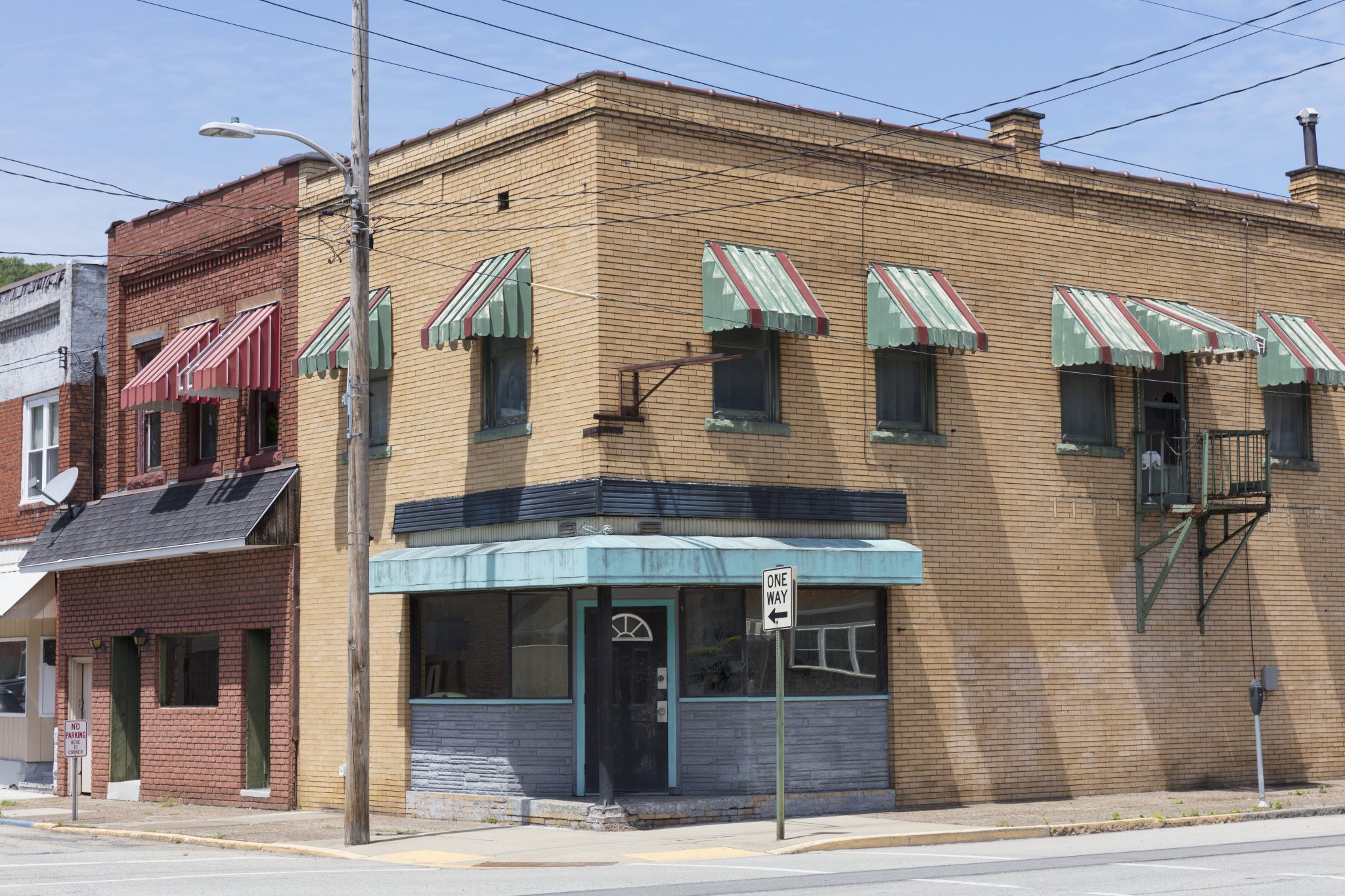
Commercial buildings built decades ago weren’t designed for today’s energy expectations, usage demands, or performance standards. While many older structures remain structurally sound, the systems inside them often struggle to keep up, especially insulation. Modern insulation technologies now make it possible to significantly improve efficiency, comfort, and long-term operating costs in an old building without the need for extensive reconstruction.
Why Insulation Retrofits Matter for Older Commercial Buildings
Many commercial properties were built long before today’s energy codes, efficiency expectations, and comfort standards existed. An old building may still be structurally sound, but outdated materials often struggle to meet modern performance demands. Rising utility costs, inconsistent indoor temperatures, and increased HVAC strain are common signs that insulation systems are no longer doing their job.
Retrofitting older buildings with modern insulation is one of the most effective ways to improve overall building performance without major structural changes.
The Limitations of Old Insulation
Over time, old insulation can settle, degrade, absorb moisture, or become compressed. As this happens, its ability to resist heat transfer declines significantly. Gaps form within walls and roof assemblies, allowing air leakage that undermines climate control and drives up energy usage.
Older insulation materials also fail to meet current building performance standards, making it harder for facilities to operate efficiently or comply with updated regulations. In many cases, insulation that once seemed adequate is now a hidden source of energy loss.
How a Modern Insulation Upgrade Improves Performance
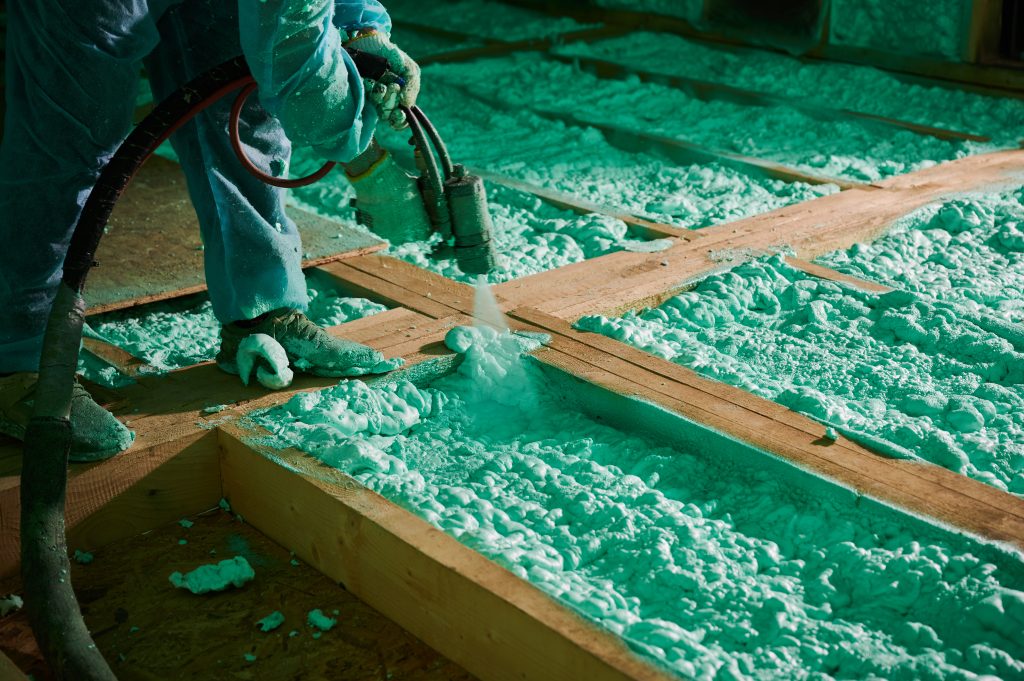
A strategic insulation upgrade can dramatically improve how an old building functions. Modern materials are engineered to deliver higher thermal resistance, improved air sealing, and long-term durability.
Upgrading insulation helps stabilize indoor temperatures, reduce heating and cooling demands, and improve occupant comfort across the building. These improvements often translate into measurable reductions in operating costs and a more predictable indoor environment year-round.
Wall Foam Insulation for Existing Structures
One of the most effective retrofit solutions for older buildings is wall foam insulation. Foam expands to fill voids, cracks, and irregular cavities that traditional materials cannot address. This creates a tighter building envelope and significantly reduces air leakage.
Wall foam insulation is especially valuable in retrofit scenarios where access is limited, as it can be installed without extensive demolition while still delivering noticeable performance improvements.
Rigid Insulation Solutions: Foam Boards and Polyiso
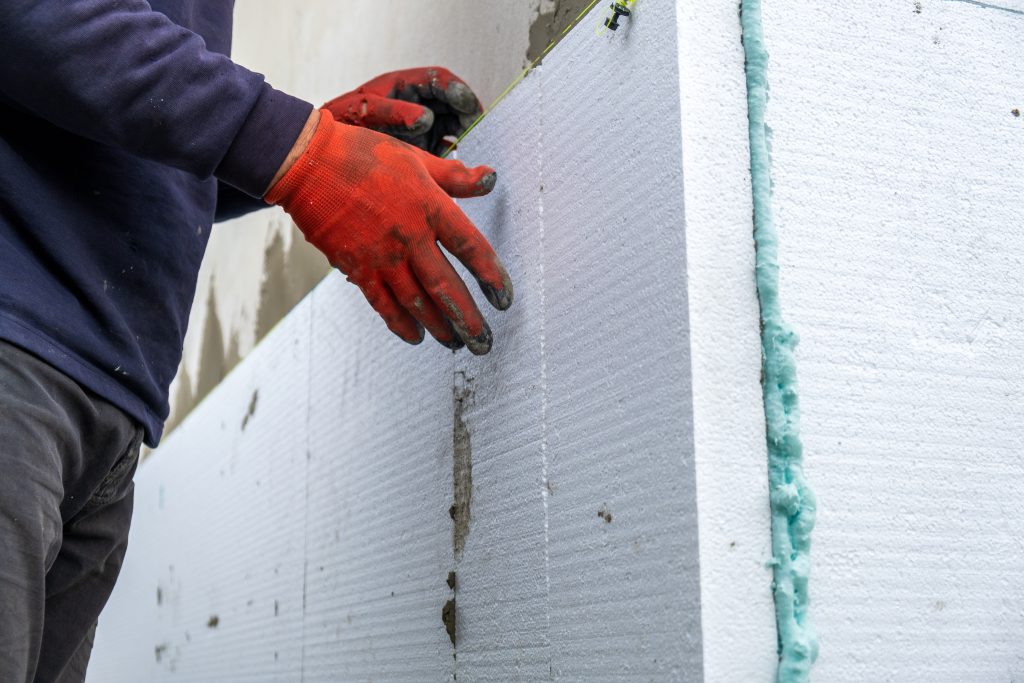
Rigid insulation products play a critical role in many commercial retrofit projects. Insulation foam board systems provide consistent thermal resistance and structural stability, making them ideal for walls, roofs, and retrofit assemblies.
Materials such as polyiso foam board and thick foam board options deliver high R-values in thinner profiles, which is particularly useful when working within existing building constraints. These boards help modernize thermal performance without compromising space or design.
Meeting Today’s Building Performance Standards
As codes and efficiency expectations continue to evolve, older commercial buildings must adapt to remain competitive and compliant. Modern insulation systems help facilities align with current building performance standards, improving energy efficiency and supporting sustainability goals.
An insulation upgrade can also enhance a building’s long-term value by extending the lifespan of mechanical systems, improving comfort for occupants, and positioning the property for future upgrades.
Why Professional Planning Matters for Retrofit Projects
Retrofitting insulation in an old building requires careful evaluation. Existing materials, moisture conditions, structural design, and usage patterns all influence the best solution. A professional assessment ensures the right insulation system is selected and installed to maximize performance gains.
Experienced commercial insulation contractors understand how to integrate modern materials into older structures without disrupting operations or introducing new issues.
Modern insulation upgrades offer a powerful opportunity to transform how older commercial buildings perform. By replacing outdated materials with advanced foam and rigid insulation systems, property owners can reduce energy costs, improve comfort, and meet today’s efficiency expectations.
If your building is showing signs of inefficiency, an insulation retrofit may be the most impactful improvement you can make.

Contact Brazos Thermal Systems to learn how modern insulation solutions can enhance performance in your existing commercial building.