
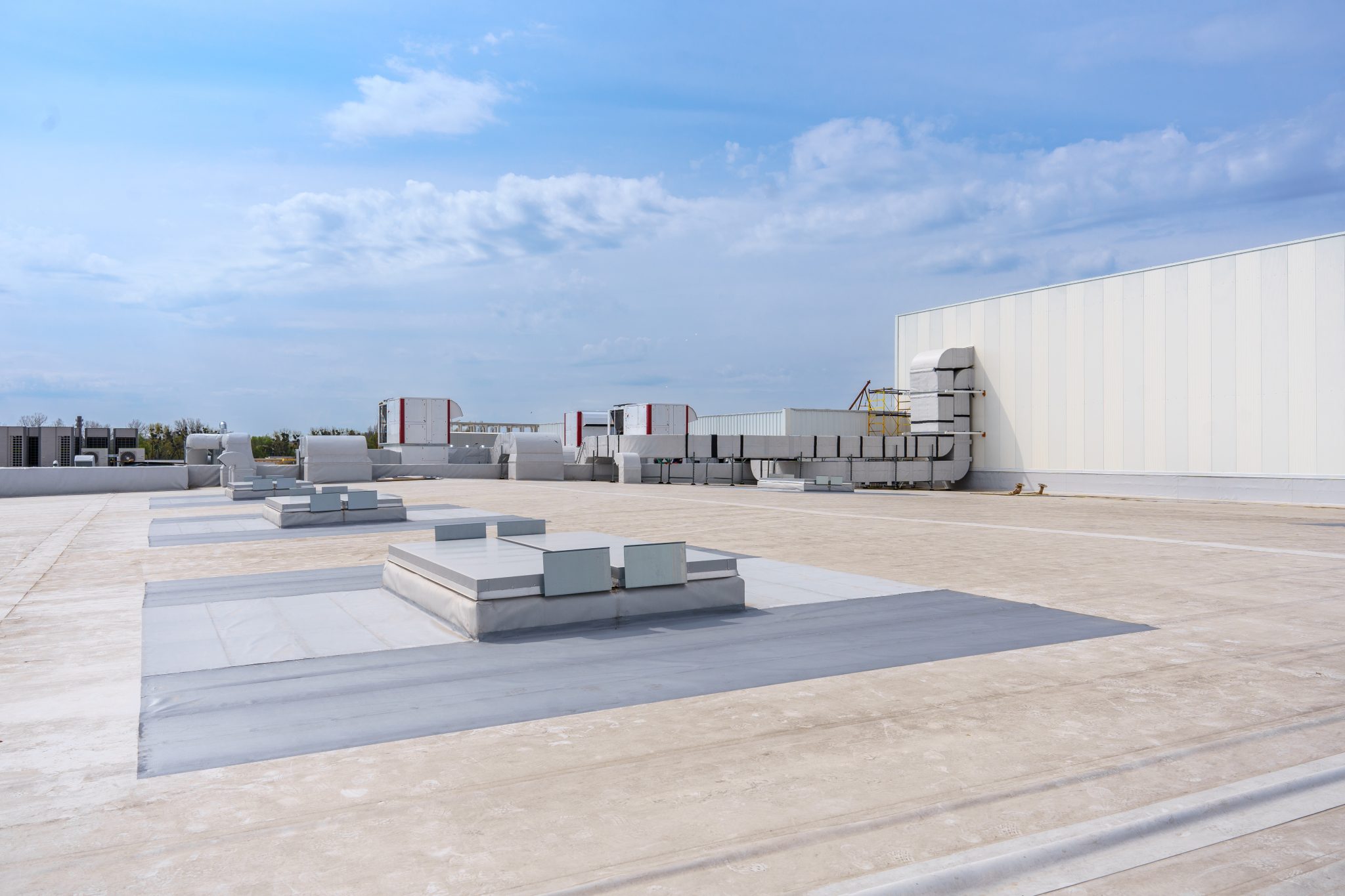
When you’re responsible for a commercial or industrial property, your roof becomes a critical asset that protects operations, tenants, inventory, and long-term property value. A properly designed and maintained flat roofing system can last decades. A poorly managed one can become a recurring expense that disrupts budgets year after year.
Across Arizona and California, climate extremes, UV exposure, thermal movement, and seasonal storms all place significant stress on industrial roofing systems. The difference between a roof that performs and one that fails often comes down to planning, contractor selection, and proactive maintenance.
At Brazos Thermal Systems, we work closely with property managers to prevent avoidable roofing issues and support smarter long-term decisions. Below are the most common roofing mistakes we see, and practical steps to avoid them.
1. Waiting Until There’s a Leak
One of the most costly mistakes property managers make is addressing roofing only after a leak appears. By the time water becomes visible inside the building, damage has often spread beneath the membrane. Saturated insulation, deteriorated decking, and compromised flashing can remain hidden for months before symptoms show.
Reactive repairs typically:
- Cost more than preventative maintenance
- Disrupt tenants or operations
- Shorten overall roof lifespan
- Create emergency budget strain
How to avoid it:
Implement scheduled inspections, ideally twice per year and after major storms. Preventative flat roofing maintenance allows professionals to identify seam separation, punctures, membrane shrinkage, flashing fatigue, and drainage issues early. A documented inspection history also supports warranty protection and capital planning. Overall, proactive care turns industrial roofing from an emergency expense into a manageable asset strategy.
2. Choosing the Lowest Bid Without Evaluating Qualifications
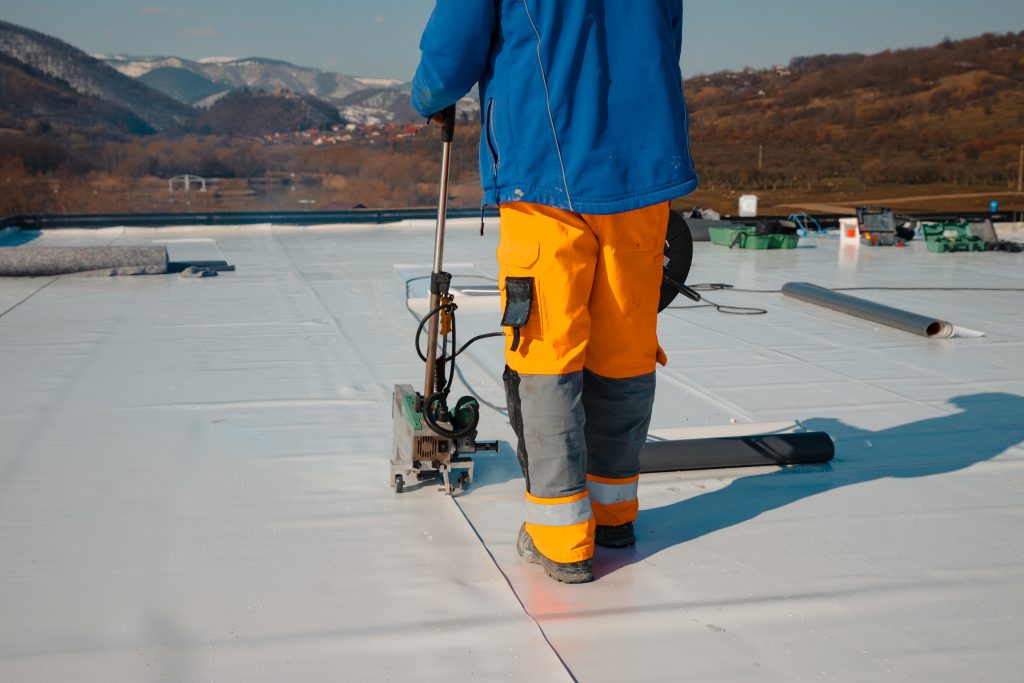
Budget accountability is part of every property manager’s role. However, selecting a contractor based solely on price can introduce long-term risk.
In many cases, bad roofing contractors underbid projects by:
- Using lower-grade materials
- Reducing labor time
- Skipping critical installation steps
- Overlooking drainage or insulation design
- Offering vague scopes of work
These shortcuts often lead to premature failure, voided warranties, and repeated repairs, costing significantly more over time.
How to avoid it:
When evaluating professional roofing contractors, look beyond the price tag. Assess:
- Experience with flat roofing systems (TPO, PVC, modified bitumen, etc.)
- Manufacturer certifications
- Safety record and compliance
- Detailed written proposals
- Communication and project transparency
- Long-term service and maintenance support
A qualified contractor will explain system options, lifecycle expectations, and total cost of ownership, not just installation cost. Industrial roofing requires precision and technical understanding, particularly in high-heat and high-UV climates.
3. Overlooking Drainage and Ponding Water
Flat roofing systems are engineered with a subtle slope to move water toward drains, scuppers, or gutters. When drainage is compromised due to clogged drains, structural settling, or poor design, standing water accelerates membrane deterioration.
Ponding water can:
- Increase membrane stress
- Cause seam failure
- Add structural weight load
- Shorten system lifespan
How to avoid it:
Ensure drains and scuppers are inspected and cleared regularly, especially before and after storm seasons. During professional inspections, request evaluation of slope performance and evidence of long-term ponding. Solutions may include tapered insulation systems, additional drainage points, or corrective repairs that extend roof life without full replacement.
4. Relying on Repeated Temporary Repairs
Short-term patching can feel practical, especially when budgets are tight. However, repeatedly repairing aging systems often leads to escalating costs and inconsistent performance.
Temporary fixes may:
- Mask deeper system deterioration
- Create patchwork membranes with uneven performance
- Increase labor expenses over time
- Delay necessary capital planning
How to avoid it:
Request a professional condition assessment that includes:
- Remaining useful life estimate
- Repair vs. replacement cost comparison
- Energy efficiency considerations
- Warranty implications
With clear data, property managers can shift from reactive spending to structured planning. Strategic replacement often proves more cost-effective than years of patchwork repairs.
5. Ignoring Energy Efficiency and Insulation Performance
Roofing and insulation work together to impact building energy performance. In hot climates, aging flat roofing systems can significantly increase cooling loads, especially if insulation is saturated or outdated.
Industrial buildings, in particular, can experience substantial energy loss through underperforming roof assemblies.
How to avoid it:
During major repairs or replacement, evaluate:
- Reflective membrane options
- Roof coatings for UV protection
- Insulation upgrades to meet current code
- Improved R-value systems
A knowledgeable professional roofing partner will help analyze ROI and lifecycle savings. Energy-conscious roofing decisions can reduce operational costs while improving occupant comfort.
6. Misunderstanding Warranty Requirements
Many property managers assume their roof warranty covers all issues. In reality, warranties often require documented maintenance and certified installation.
Common misunderstandings include:
- Assuming leak repairs are always covered
- Failing to meet inspection requirements
- Overlooking installation-related exclusions
Working with inexperienced or bad roofing contractors can jeopardize warranty validity from the start.
How to avoid it:
Choose certified installers who understand manufacturer specifications. Maintain inspection records and ensure repairs are properly documented. A reputable contractor will review warranty coverage in detail before installation begins, clarifying expectations and responsibilities.
7. Treating Roofing as a One-Time Capital Project

Roofing should never be approached as a 20-year “install and forget” investment. Flat roofing systems perform best when managed strategically.
Without long-term planning, property managers may face:
- Unexpected capital expenses
- Emergency tenant disruptions
- Deferred maintenance accumulation
How to avoid it:
Develop a structured roofing asset plan that includes:
- Annual inspections
- Maintenance scheduling
- Budget forecasting
- Energy upgrade evaluation
- Replacement timing strategy
Partnering with an experienced industrial roofing advisor transforms roofing from a reactive liability into a controlled, predictable investment.
Property management requires balancing performance, budget, and risk. With proper planning and the right professional roofing partner, flat roofing systems can deliver reliable, long-term value.
At Brazos Thermal Systems, we help property managers evaluate conditions, understand options, and build proactive strategies that extend roof life and protect capital investments. Our approach is centered on transparency, technical expertise, and long-term performance, not short-term fixes.

If you’re reviewing your flat roofing system or planning future capital improvements, contact our team so you can move forward with clarity and confidence.