
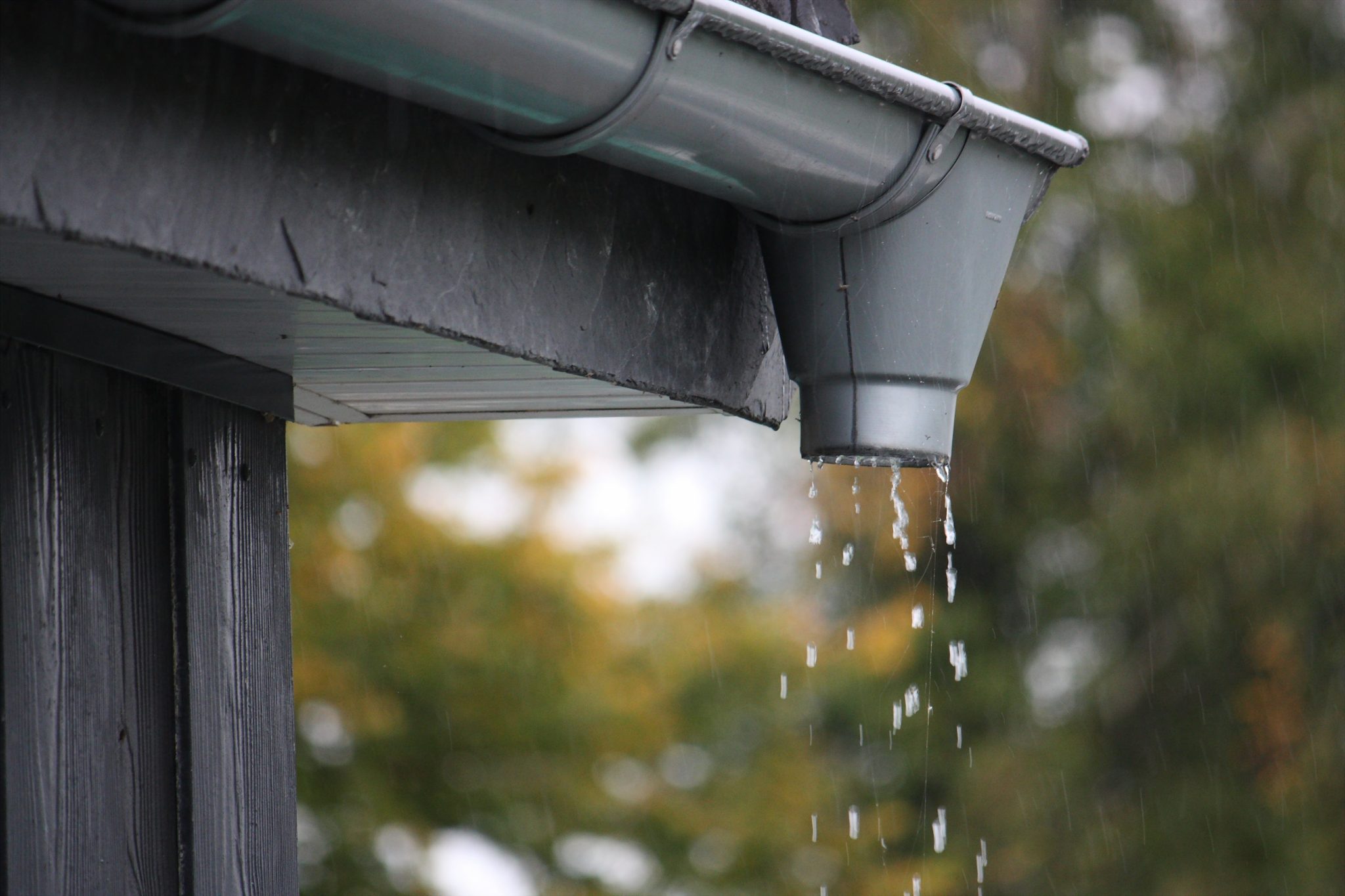
When property managers think about roofing performance, they often focus on membranes, insulation, or visible leaks. But one of the most important factors affecting long-term roof performance is often overlooked: roof drainage.
A commercial roofing system is only as effective as its ability to move water away from the building. Poor drainage may seem like a minor issue at first, but over time it can contribute to leaks, structural stress, insulation damage, and premature roof failure.
For commercial and industrial properties, understanding the connection between drainage and roof longevity is essential to protecting long-term building value.
Why Roof Drainage Matters More Than Many Realize
Every roofing system is designed with water management in mind. Even flat roofs are built with subtle slopes that direct water toward drains, scuppers, or gutters.
When a roof drainage system is functioning properly, water is quickly removed from the roof surface before it has time to create problems. However, when drainage becomes compromised from debris buildup, poor design, or structural settling, standing water can begin to impact the roofing assembly.
Over time, ponding water increases stress on roofing materials and accelerates wear throughout the system. What starts as a drainage issue can eventually affect insulation, flashing, decking, and even interior building conditions.
The Connection Between Flat Roof Drainage and Roof Lifespan
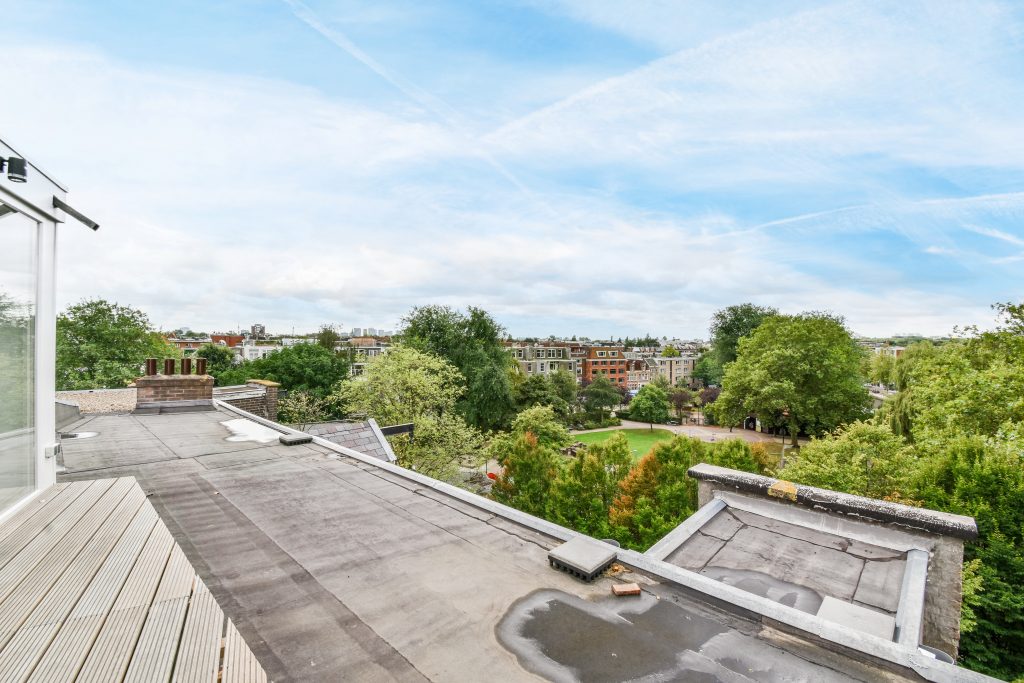
Proper flat roof drainage is especially important because low-slope roofing systems naturally hold water longer than steep-slope roofs. While flat roofs are engineered to manage water efficiently, even small drainage problems can create long-term concerns.
Standing water may:
- Weaken roofing membranes
- Increase seam deterioration
- Add structural weight load
- Accelerate UV-related wear
- Contribute to moisture intrusion
As these issues develop, they begin to shorten overall roof lifespan. In many cases, roofs fail prematurely not because the membrane itself was defective, but because drainage problems were left unresolved for too long.
Consistent inspections help identify ponding areas before they become larger structural or maintenance issues.
How Poor Drainage Impacts the Entire Building Envelope
The effects of poor roof drainage rarely stay isolated to the roof surface. Moisture that enters the roofing assembly can affect insulation performance, increase humidity inside the building, and create conditions for mold or corrosion.
Water infiltration may also damage:
- Interior ceilings
- Mechanical equipment
- Structural supports
- Wall assemblies near roof edges
Over time, these issues increase maintenance costs well beyond the roof itself. A compromised roof drainage system can eventually impact the overall durability and efficiency of the building envelope.
This is why drainage should be viewed as part of a larger building performance strategy, not just a maintenance item.
Common Causes of Roof Drainage Problems
Many commercial drainage issues develop gradually and are difficult to detect without regular inspections.
Some of the most common causes include:
- Clogged drains or scuppers
- Debris accumulation
- Improper roof slope
- Aging or collapsed insulation
- Structural settling over time
- Damaged gutters or edge systems
Even small obstructions can prevent water from flowing properly during heavy rain events. Over time, repeated exposure to standing water accelerates system deterioration and reduces roof longevity.
Routine maintenance plays a major role in preventing these issues from escalating.
Preventative Maintenance Protects Roof Longevity
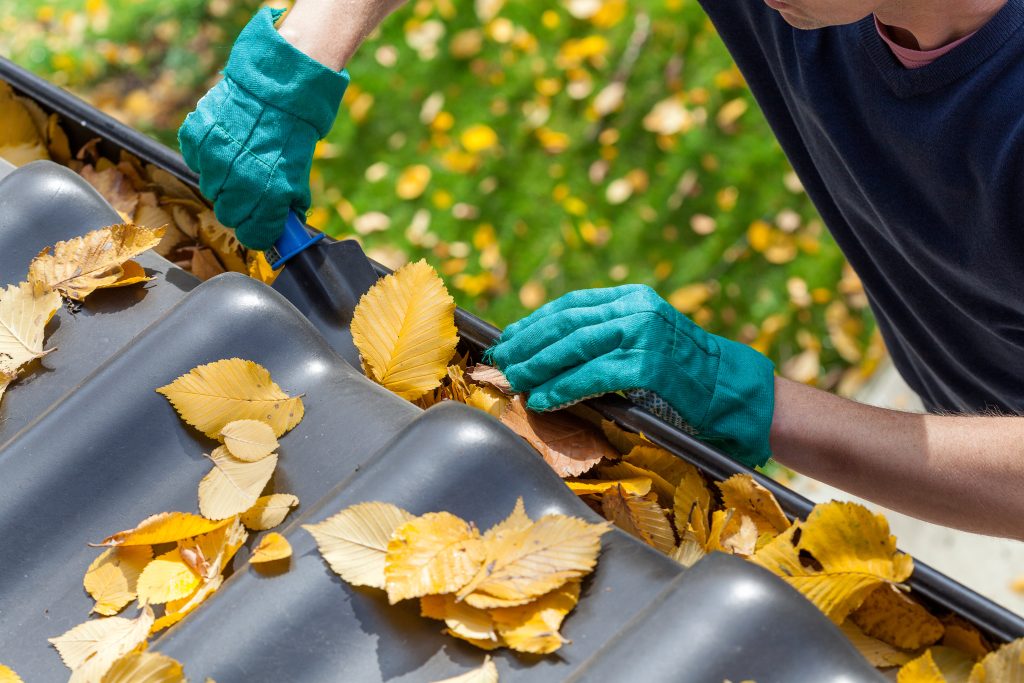
One of the most effective ways to extend roof lifespan is through proactive drainage maintenance. Regular inspections help identify drainage concerns early, before they create widespread damage.
A preventative maintenance plan should include:
- Drain and scupper clearing
- Inspection of ponding areas
- Evaluation of roof slope and drainage flow
- Gutter and downspout maintenance
- Monitoring of flashing and penetrations near drainage areas
Addressing these issues early helps preserve roofing materials and reduce the likelihood of expensive emergency repairs.
In many cases, simple maintenance measures can add years to the life of a commercial roofing system.
Drainage Design Matters During Roof Replacement
Drainage should also be carefully evaluated during roof restoration or replacement projects. Installing a new membrane without correcting underlying drainage problems may simply repeat the same performance issues.
Modern roofing upgrades may include:
- Tapered insulation systems
- Additional drainage points
- Improved scupper placement
- Enhanced gutter capacity
These improvements help optimize water flow and support better long-term roof performance.
An experienced roofing partner evaluates drainage as part of the complete roofing system, not as a separate afterthought.
Building Longevity Starts at the Roof
Water is one of the most damaging forces affecting commercial buildings, and effective roof drainage is the first line of defense. Proper drainage protects roofing materials, supports energy efficiency, reduces structural stress, and helps extend overall roof lifespan.
For 40+ years, our Central Valley commercial roofing specialists have helped property managers and facility teams evaluate roofing systems holistically, including drainage performance, preventative maintenance, and long-term asset planning. By addressing drainage issues proactively, buildings can avoid unnecessary damage and maintain stronger long-term performance.
When it comes to protecting commercial properties, drainage is more than a maintenance detail, it’s a critical part of building longevity. Contrast us to address your building’s drainage system.