

Commercial roofing systems are one of the most valuable assets protecting a building. Yet too often, roofs are ignored until leaks, damage, or operational disruptions force immediate action. By that point, repair costs may already be escalating,and premature replacement becomes more likely.
A proactive approach to commercial roof maintenance helps property managers extend roof lifespan, reduce long-term expenses, and avoid unnecessary disruptions. In many cases, consistent roof maintenance can add years of service life to a roofing system while delaying the significant investment associated with full replacement.
Why Commercial Roof Maintenance Matters
Commercial roofs are exposed to constant environmental stress. UV exposure, temperature fluctuations, storms, standing water, and debris accumulation all contribute to gradual wear over time.
Without routine inspections and upkeep, small issues can quickly become larger problems. Minor membrane damage, loose flashing, or clogged drainage systems may initially seem insignificant, but left unaddressed, they can lead to moisture intrusion, insulation damage, and structural deterioration.
Consistent roof maintenance helps identify these issues before they require extensive repairs or compromise the performance of the building envelope.
The Cost Difference Between Maintenance and Replacement
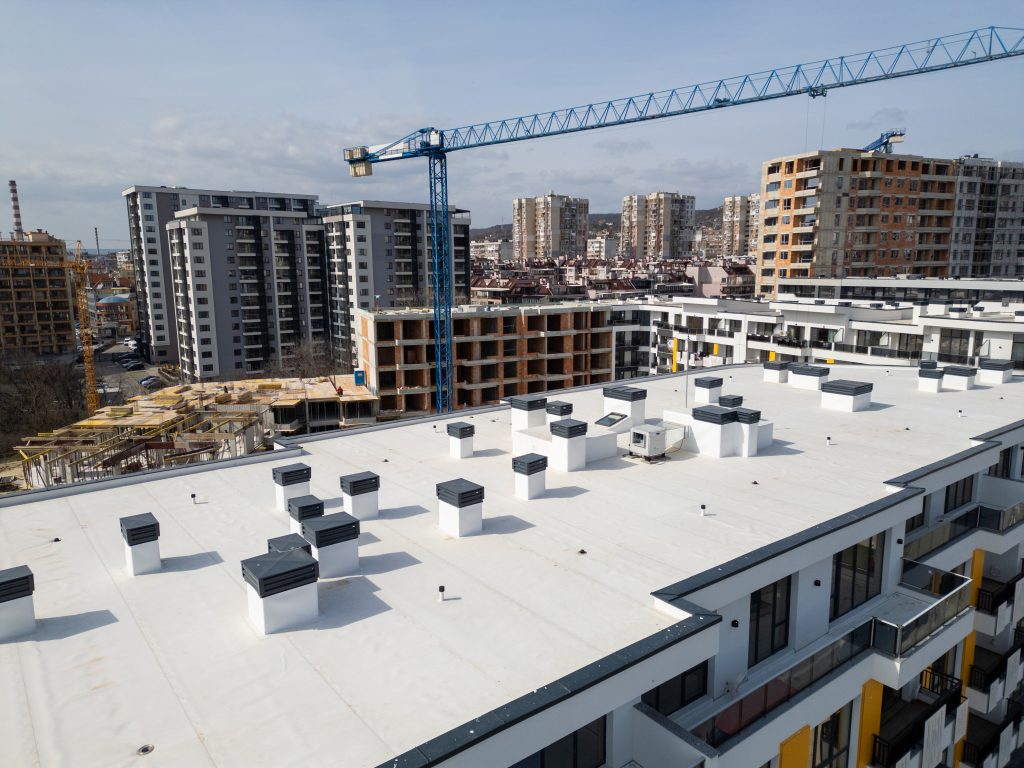
One of the biggest advantages of preventative roof maintenance is cost predictability. Maintenance programs typically involve scheduled inspections, minor repairs, drainage clearing, and condition assessments. These services are significantly less expensive than major emergency repairs or premature roof replacement.
The average cost of replacing a roof on a commercial building can be substantial depending on building size, roofing system, insulation requirements, and operational complexity. Replacement projects may also involve business disruption, tenant coordination, and increased labor costs.
By comparison, ongoing commercial roofing maintenance spreads costs out over time and helps prevent catastrophic failures that accelerate replacement timelines.
In many cases, the financial savings from extending a roof’s lifespan by even a few years can be considerable.
Preventative Maintenance Helps Extend Roof Lifespan
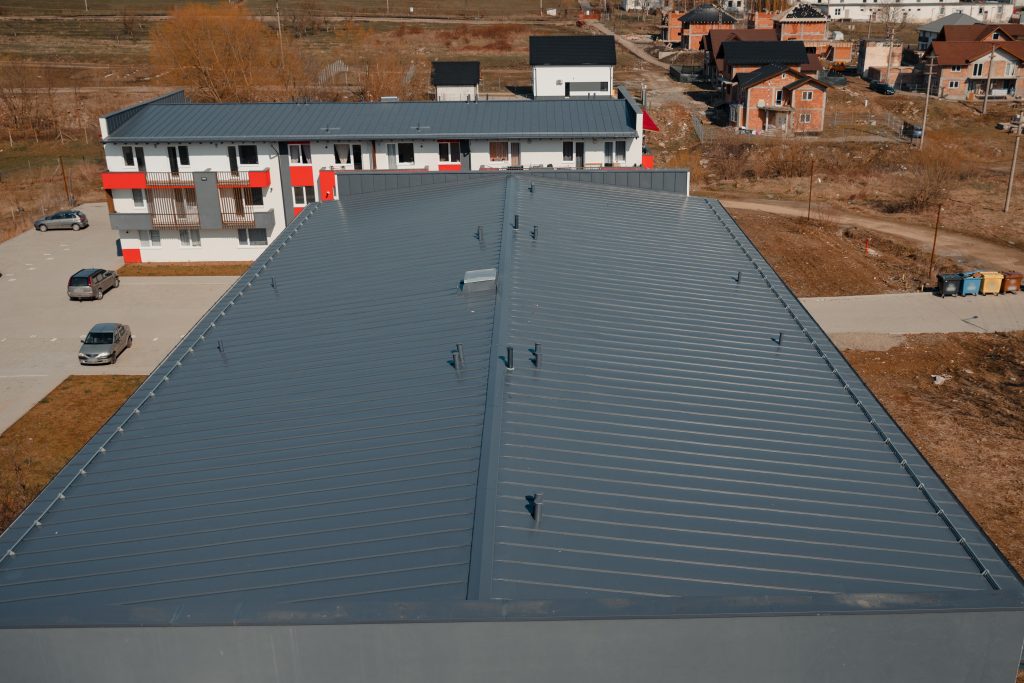
Every commercial roofing system has an expected service life, but actual performance depends heavily on maintenance history.
Roofs that receive regular inspections and repairs often outperform systems that are neglected, even when they were installed at the same time. Preventative care helps preserve membranes, flashing, sealants, and drainage systems before deterioration spreads.
Industry organizations like the NRCA recommend routine inspections and preventative maintenance to help extend roof lifespan and identify issues before they become major failures.
A structured commercial roofing maintenance plan may include:
- Seasonal inspections
- Drain and gutter cleaning
- Flashing and seam evaluations
- Minor repair work
- Moisture assessments
- Documentation for warranty compliance
These routine services help maintain the integrity of the roofing system while reducing long-term risk.
Avoiding Emergency Repairs and Operational Disruptions
Reactive roofing problems rarely happen at convenient times. Leaks during storms, interior water damage, or unexpected system failures can interrupt operations and create safety concerns for tenants and employees.
Emergency situations often cost more because repairs must be completed quickly and under difficult conditions. In some cases, water intrusion can damage inventory, equipment, or interior finishes in addition to the roofing system itself.
Consistent commercial roof maintenance helps reduce the likelihood of these unexpected failures by identifying vulnerabilities before they become emergencies.
Maintenance Supports Warranty Protection
Many roofing manufacturers require documented maintenance as part of warranty agreements. Failing to maintain the roof properly may limit warranty coverage or create disputes if problems occur later.
Routine inspections and documented repairs demonstrate that the roofing system has been properly cared for throughout its lifespan. This documentation from a Central Valley commercial roofing specialist can be valuable when evaluating future repairs, planning budgets, or filing warranty claims.
Preventative maintenance not only protects the roof—it also helps protect the investment behind it.
Roof Replacement Still Has a Place
Maintenance can significantly extend roof life, but eventually every roofing system reaches the end of its serviceable lifespan. The goal of maintenance is not to avoid replacement forever; it is to delay it strategically and maximize value from the existing system.
The best time to replace a roof is before failure creates larger operational or structural problems. Regular inspections help property managers understand roof condition, forecast capital expenses, and plan replacements on their own timeline instead of reacting to emergencies.
This proactive approach creates more control over budgeting, scheduling, and long-term facility planning.
Turning Roof Maintenance Into a Long-Term Asset Strategy
The most effective roofing programs treat maintenance as an ongoing investment rather than an occasional expense. Buildings with consistent inspection schedules and preventative care plans often experience fewer emergencies, lower lifecycle costs, and more reliable performance over time.
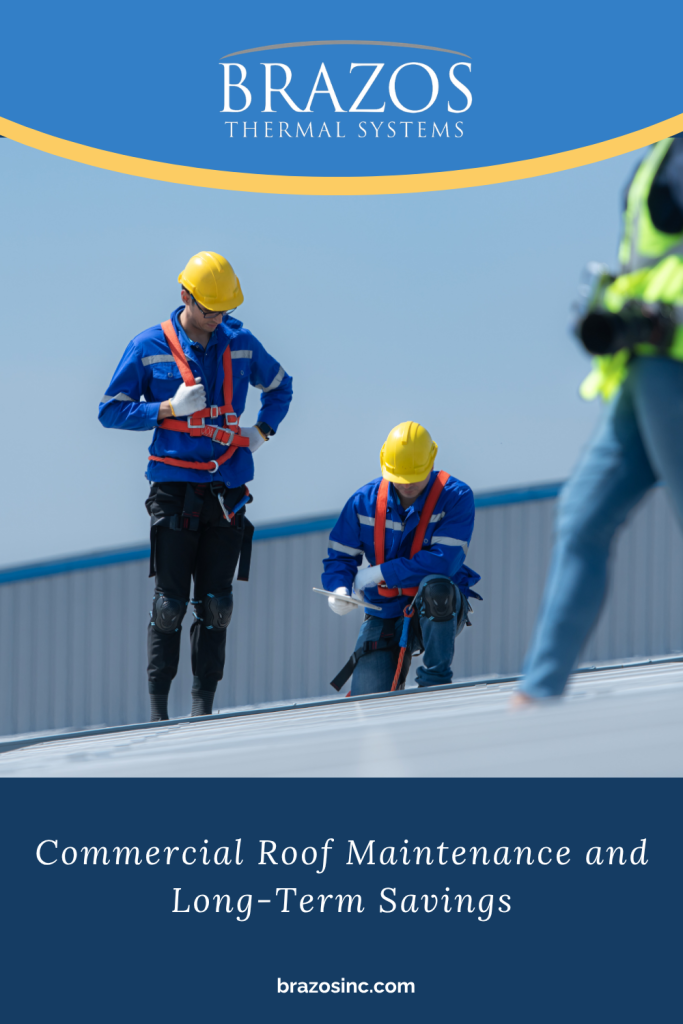
At Brazos Thermal Systems, we work with facility managers and property owners to develop customized commercial roof maintenance strategies that align with operational goals and long-term budgets. From inspections and repairs to lifecycle planning, our focus for 40+ years has been on helping clients extend roof performance while minimizing avoidable costs. Contact us and see how a proactive roofing strategy today can help prevent major expenses tomorrow.