
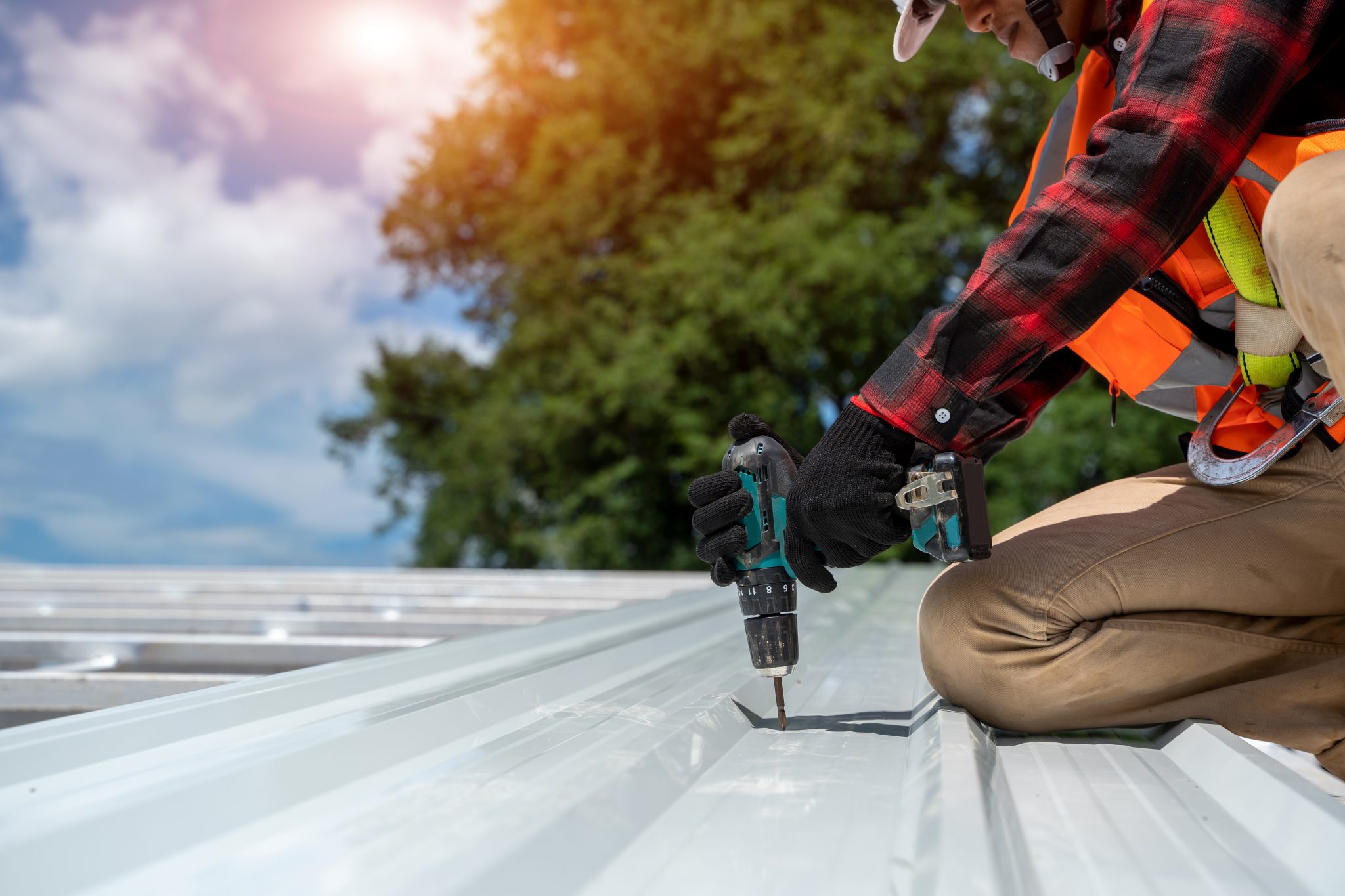
Every commercial roof will eventually reach the point where repairs are no longer enough. The challenge for property managers and facility teams is knowing when that moment has arrived before small issues turn into major disruptions.
While emergency roof repair can resolve immediate problems, relying on reactive fixes too long can increase costs, shorten roof lifespan, and create unnecessary risk for your building and tenants.
Understanding when to move from repairs to replacement is key to protecting your property and planning ahead with confidence.
The Limits of Emergency Roof Repair
There’s no question that emergency repairs play an important role in commercial roofing. Storm damage, sudden leaks, or unexpected failures require immediate attention to prevent further damage.
However, when emergency repairs become frequent, they often signal deeper issues within the roofing system. Repeated patching may address symptoms without resolving underlying deterioration in critical roof components such as membranes, insulation, or decking.
Over time, these short-term fixes can:
- Increase maintenance costs
- Create inconsistent roof performance
- Complicate warranty coverage
- Delay necessary long-term planning
Emergency repairs are most effective when used strategically, not as an ongoing solution for an aging roof.
How Often Should You Replace Your Roof?
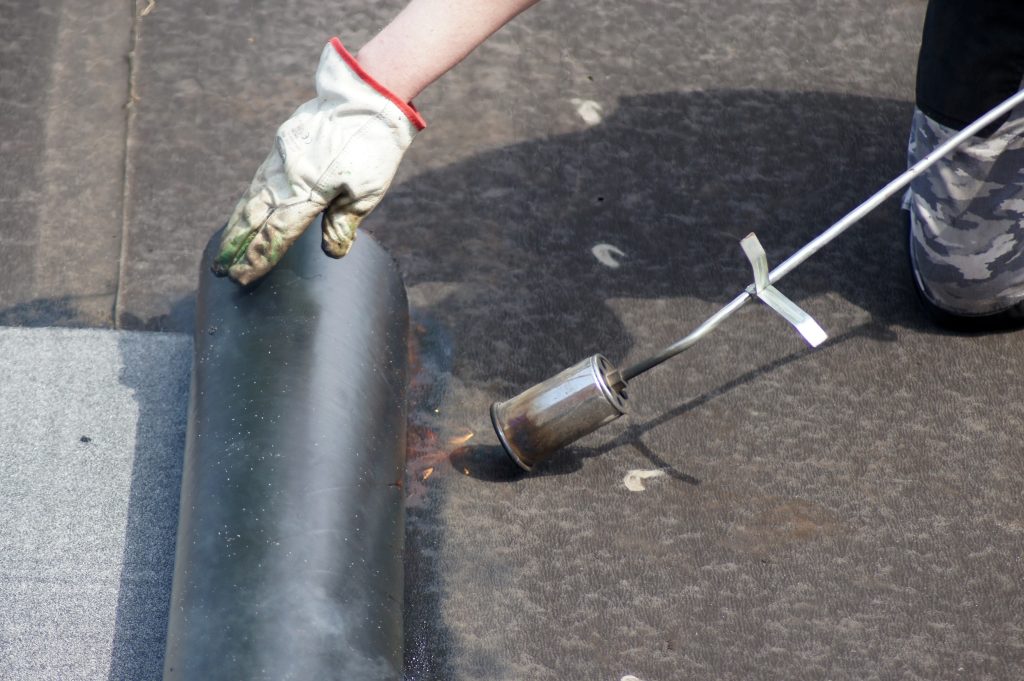
One of the most common questions property managers ask is: how often should you replace your roof?
The answer depends on several factors, including roofing material, installation quality, climate exposure, and maintenance history. Many commercial roofing systems are designed to last 20–30 years, but real-world performance can vary.
Roofs exposed to intense UV, temperature fluctuations, or poor drainage may reach the end of their service life sooner. Conversely, systems that receive consistent inspections and maintenance often exceed expected lifespans.
Rather than relying solely on age, it’s important to evaluate condition, performance trends, and repair frequency. A roof that still looks intact may already be declining beneath the surface.
Warning Signs Your Roof May Be Reaching Its Limit
As commercial roofs age, they begin to show patterns that indicate declining performance. These warning signs often appear gradually and can be easy to overlook without regular inspections.
Persistent leaks in multiple areas are one of the clearest indicators. When issues are no longer isolated, it suggests broader system deterioration. Increased frequency of service calls is another sign that the roof is no longer performing as intended.
Other indicators include visible wear on membranes, compromised flashing, and damage to supporting elements like roof fascia, which can impact edge protection and drainage performance.
Interior signs, such as water stains, humidity issues, or insulation saturation, can also point to larger problems within the roofing assembly.
The Role of a Commercial Roof Inspection
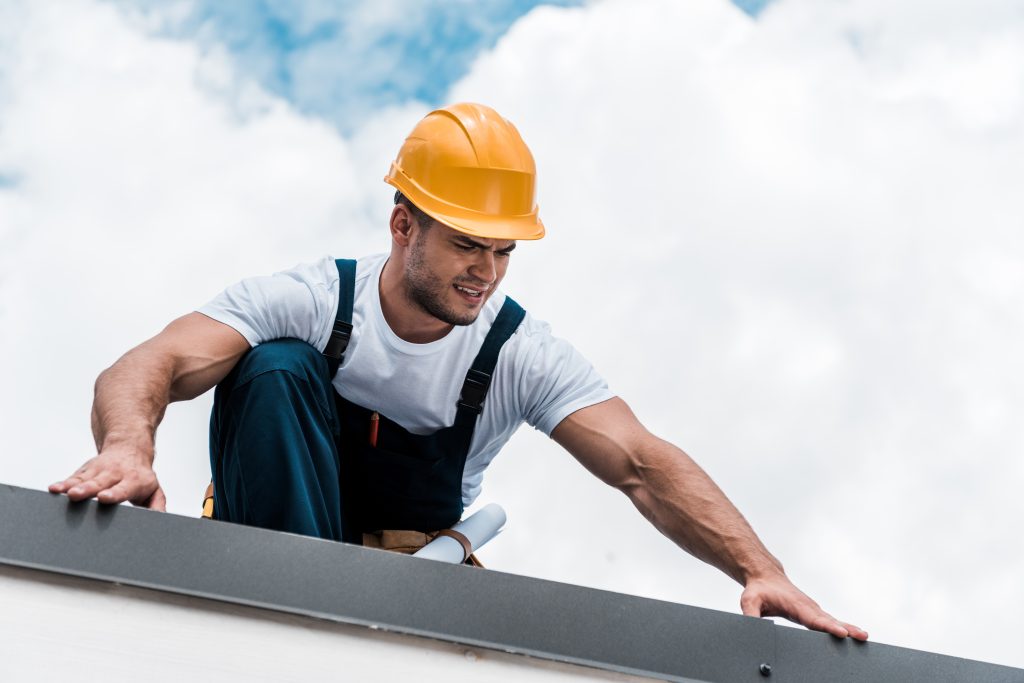
A thorough commercial roof inspection is essential for determining whether repairs are still viable or if replacement should be considered.
Professional inspections go beyond surface-level observations. They evaluate the condition of all major roof components, including:
- Membrane integrity
- Insulation condition
- Flashing and penetrations
- Drainage performance
- Structural support elements
Detailed assessments provide property managers with a clear understanding of current condition, remaining lifespan, and risk level. This information is critical for making informed financial and operational decisions.
When Repairs Stop Making Financial Sense
At a certain point, continuing to repair a roof becomes less cost-effective than replacing it. This shift often happens when repair costs begin to accumulate without delivering long-term reliability.
A roof that requires frequent emergency attention can disrupt operations, impact tenants, and create uncertainty in budgeting. In these situations, replacement offers a more predictable and controlled investment.
Evaluating total cost of ownership, rather than individual repair expenses, helps clarify the right path forward. A new roofing system not only resolves current issues but also resets the lifecycle of the asset.
Planning Ahead with Professional Roof Services
Transitioning from repair to replacement doesn’t have to be reactive. With the right planning, property managers can schedule projects strategically to minimize disruption and optimize budgets.
Working with a provider that offers comprehensive roof services allows you to:
- Track roof performance over time
- Identify trends in maintenance needs
- Forecast capital expenditures
- Plan replacements before failure occurs
Proactive planning also creates opportunities to upgrade insulation, improve energy efficiency, and enhance overall building performance.
Moving from Reactive to Strategic Roofing Decisions
Emergency repairs will always be part of commercial roofing, but they shouldn’t define your long-term strategy. Knowing when your roof has reached its limit allows you to move from reactive problem-solving to proactive asset management.
At Brazos Thermal Systems, we help property managers evaluate roof conditions, understand emergency roof repair and replacement options, and plan ahead with confidence. Through detailed inspections and expert guidance, our goal is to help you protect your building while making informed, cost-effective decisions.
If your property is experiencing frequent issues or you’re unsure about the condition of your roof, now is the time to take a closer look before the next emergency arises. Contact us to see what we can do for your roof.