
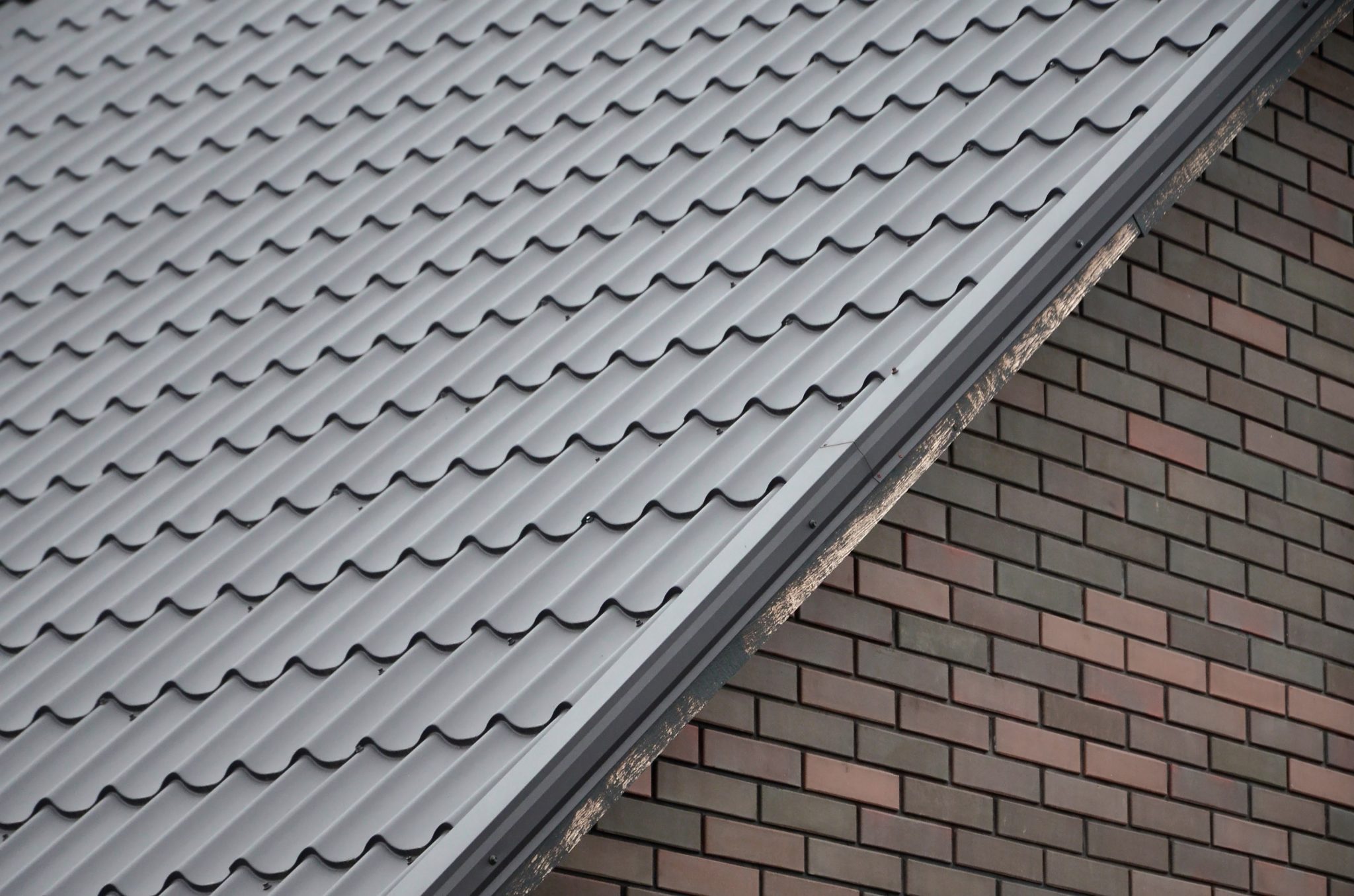
Metal roofing systems are widely used in commercial and industrial construction because of their durability, energy efficiency, and long service life. A well-installed metal tile roof can withstand extreme weather conditions and provide reliable protection for decades.
However, one concern property owners sometimes raise is sound. Rainfall, hail, and exterior noise can be more noticeable on metal roofing systems if the roof assembly lacks proper insulation or acoustic design.
Fortunately, sound control is rarely a limitation of metal roofing itself. With the right combination of insulation, coatings, and installation techniques, a metal tile roof can perform quietly while maintaining the structural and energy benefits that make metal roofing such a popular choice for commercial buildings.
Why Noise Can Occur in Metal Roofing Systems
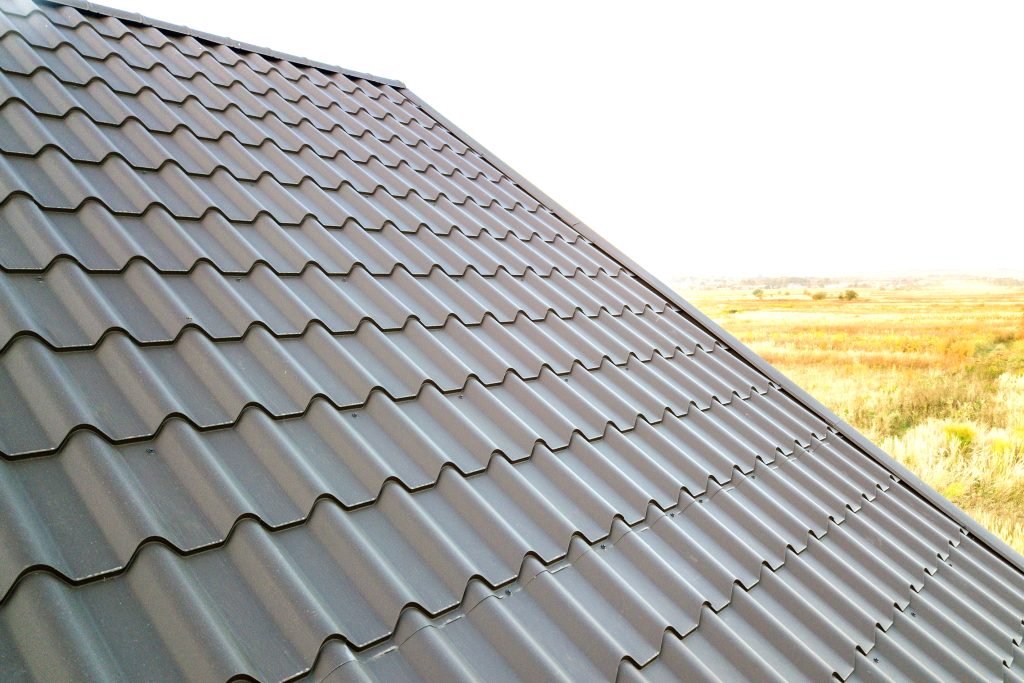
Metal roofing materials themselves do not create noise; they simply transmit vibrations more easily than some heavier materials when the roof assembly is not properly insulated. When rain or hail strikes an exposed metal surface without adequate insulation beneath it, sound waves can travel through the structure.
In many cases, the issue is not the roofing material but the design of the roofing system. Buildings with insufficient commercial roof insulation or minimal air space between layers may allow exterior sound to travel more easily into the interior.
A well-designed roofing assembly dramatically reduces this effect by adding layers that absorb sound vibrations before they reach the occupied space.
The Role of Insulation in Sound Reduction
One of the most effective ways to reduce sound transmission is through properly designed commercial roof insulation. Insulation acts as a buffer that absorbs sound energy and prevents vibrations from passing through the roof deck.
Modern roofing systems often incorporate insulated metal roof panels, which combine structural strength with built-in insulation. These panels are designed to reduce thermal transfer while also improving acoustic performance.
By integrating insulation directly into the roofing assembly, these systems create a more stable and comfortable indoor environment. For commercial buildings such as warehouses, offices, or manufacturing facilities, this added acoustic control can significantly improve working conditions.
Sealing and Coating for Better Acoustic Performance
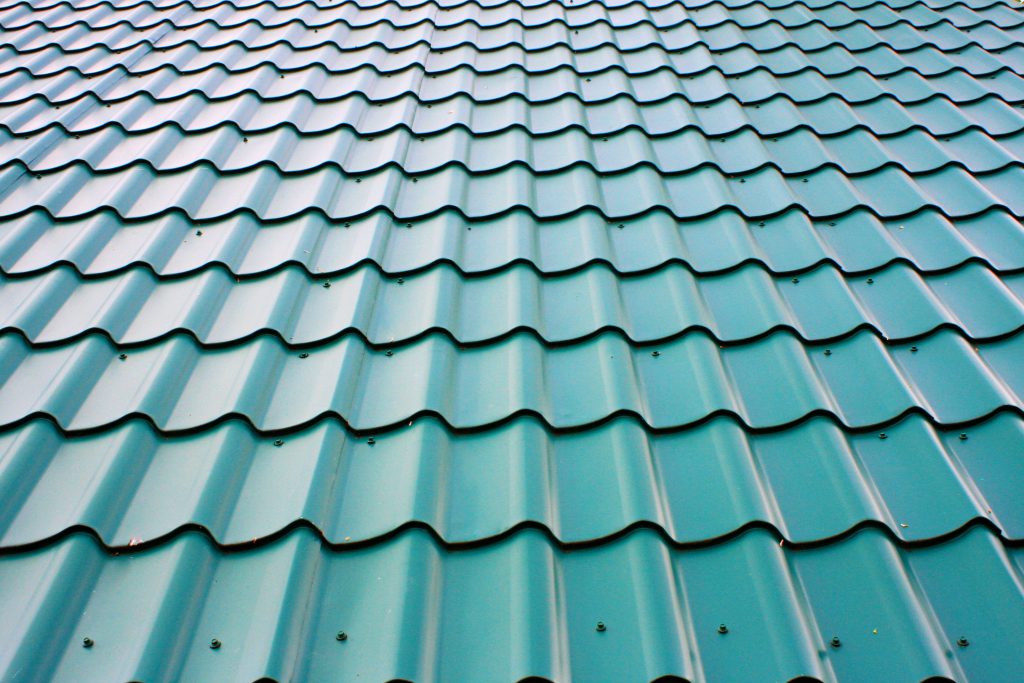
Beyond insulation, proper sealing of the roofing system plays an important role in controlling noise. Small gaps or loose seams can allow sound to travel through the roof assembly more easily.
High-quality metal roof sealant helps close these gaps while protecting the roof against water intrusion. Sealants also help maintain the structural integrity of joints and penetrations, which contributes to the overall performance of the roofing system.
In some cases, applying a metal roof coating can further enhance roof performance. Coatings add a protective layer that helps reduce vibration and protect the metal surface from UV exposure and environmental wear. While coatings are primarily used to extend roof life and improve energy performance, they can also contribute to improved acoustic comfort.
The Importance of Professional Installation
Sound performance often comes down to installation quality. A knowledgeable commercial roofer understands how insulation, decking, fasteners, and roofing panels work together as part of a complete system.
Improper fastening patterns, inadequate insulation layers, or poorly sealed penetrations can increase vibration and allow noise to travel through the roof assembly. Professional installation ensures each component performs as intended.
Experienced contractors also evaluate building structure, climate conditions, and occupancy requirements when designing roofing systems. This holistic approach helps ensure the finished roof meets performance expectations for durability, energy efficiency, and acoustic comfort.
Maintaining a Quiet and Durable Roof
Ongoing maintenance also plays a role in long-term roof performance. Over time, debris buildup and surface contaminants can affect the protective layers of a roof.
Regular metal roof cleaning helps preserve coatings and prevent corrosion that could weaken roofing components. Clean surfaces also allow inspectors to identify small issues, such as loose fasteners or sealant deterioration, before they become larger problems.
Routine maintenance, combined with proper insulation and sealing, helps keep a metal tile roof performing reliably for many years.
Metal roofing continues to grow in popularity because of its strength, longevity, and energy efficiency. When paired with proper commercial roof insulation, high-quality sealants, and professional installation, a metal roofing system can also provide excellent acoustic performance.
At Brazos Thermal Systems, our team works with property managers, contractors, and facility leaders to design roofing systems that balance durability, efficiency, and comfort. From insulated metal roof panels to protective coatings and maintenance services, we focus on solutions that support long-term building performance.
For commercial buildings seeking the advantages of a metal tile roof, thoughtful system design ensures that durability and quiet performance go hand in hand. Contact us today to make your metal roof system quieter.