

When evaluating insulation for a commercial or industrial building, one of the first metrics that often comes up is R-value. While important, R-value alone does not tell the full story of how a building will perform.
True performance comes from how the entire building envelope works together. Insulation, air barriers, roofing systems, and structural components all play a role. Focusing only on R-value can lead to missed opportunities for efficiency, durability, and long-term cost savings.
For property managers, facility leaders, and design teams, understanding this bigger picture is key to making smarter insulation decisions.
What the Building Envelope Really Does
The building envelope is the physical barrier between the interior and exterior of a structure. It includes the roof, walls, insulation, windows, and all the connections between them. Its job is to control the movement of heat, air, and moisture.
When the envelope performs well, it creates a stable indoor environment, reduces strain on HVAC systems, and protects the structure from long-term damage. When it underperforms, even high R-value insulation may not deliver expected results.
Gaps in the envelope, whether from poor installation, aging materials, or design limitations, can allow air and moisture to move freely, reducing overall efficiency.
Why R-Value Alone Isn’t Enough
R-value measures resistance to heat flow, but it does not account for air leakage, moisture intrusion, or thermal bridging. These factors can significantly impact real-world performance.
For example, a wall system with r-19 insulation may meet code requirements on paper, but if air is moving through the assembly, its effective performance is reduced. Similarly, insulation that becomes wet or compressed can lose its ability to resist heat transfer.
Understanding the r value for rockwool or spray foam insulation is useful, but only when considered within the context of the full building system.
In practice, performance depends on how insulation interacts with air barriers, vapor control layers, and installation quality.
Air Movement: The Hidden Factor
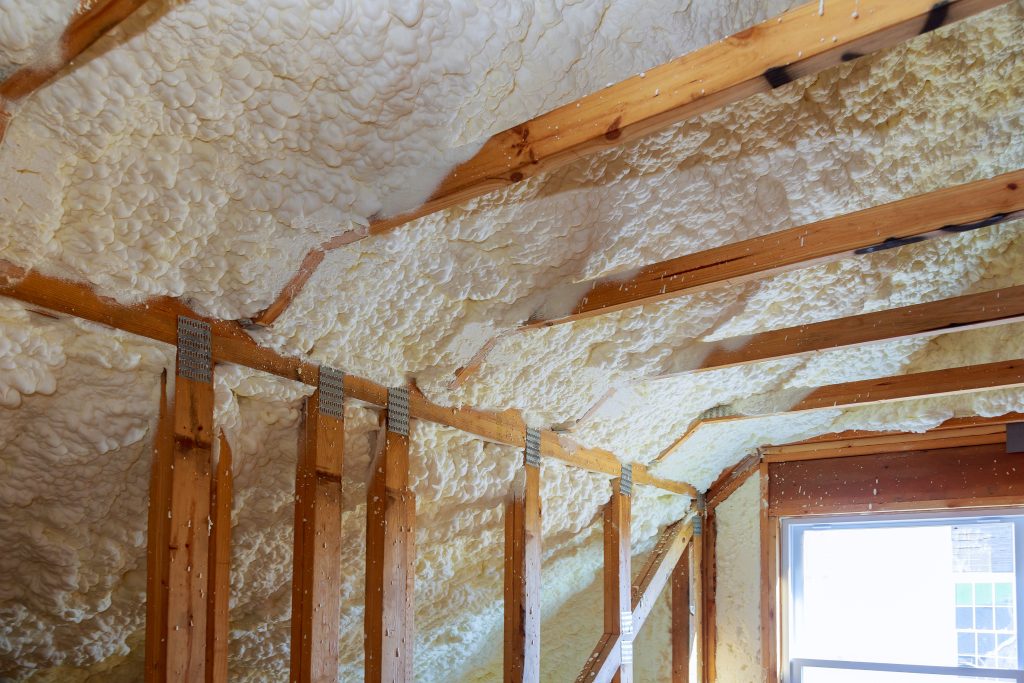
Air leakage is one of the biggest contributors to energy loss in commercial buildings. Even small openings around penetrations, seams, or transitions can allow conditioned air to escape and unconditioned air to enter.
This movement not only impacts temperature control but also introduces moisture into wall and roof assemblies. Over time, this can lead to reduced insulation performance and increased maintenance issues.
Spray foam insulation is often used to address this challenge because it acts as both insulation and an air barrier. When evaluating the r value of spray foam insulation, it’s important to also recognize its ability to seal gaps, something traditional insulation materials cannot do on their own.
Moisture Control and Long-Term Durability
Moisture management is another critical aspect of building envelope performance. Insulation systems that allow moisture intrusion can create conditions for mold growth, material deterioration, and structural damage.
Products like rockwool are valued in part because of their resistance to moisture, which is why understanding the r value for rockwool is only one piece of the equation. Its performance in real-world conditions often depends on how well the overall system manages water and vapor.
When insulation, air barriers, and waterproofing elements are aligned, buildings are better protected against long-term damage.
Reflective Systems and Radiant Heat
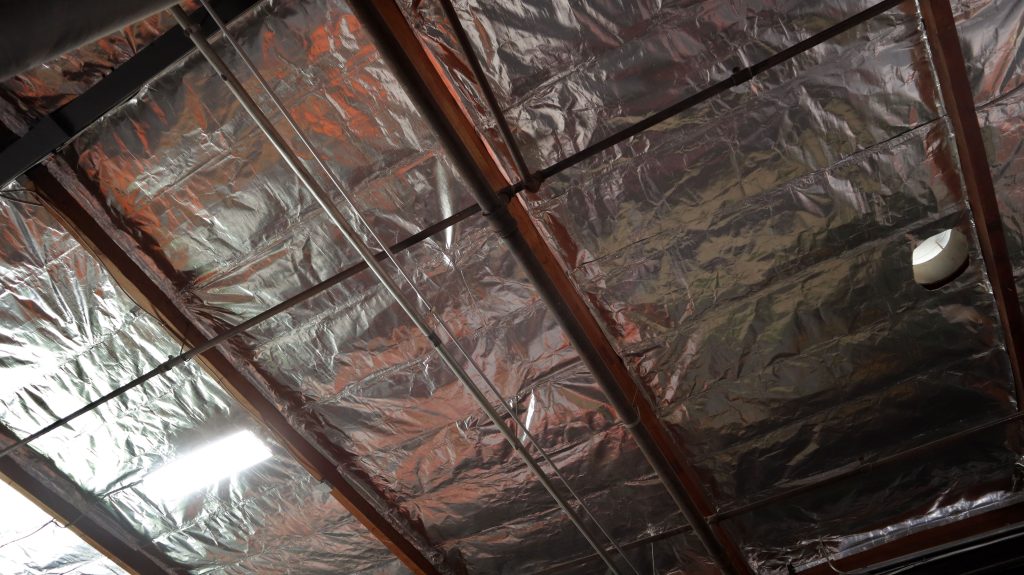
In warmer climates, radiant heat gain can significantly impact building performance. This is where systems like a radiant barrier come into play.
Rather than resisting heat flow like traditional insulation, radiant barriers reflect heat away from the building. When used in combination with bulk insulation, they can help reduce cooling loads and improve overall energy efficiency.
However, like R-value, radiant barriers are most effective when integrated into a well-designed building envelope system. On their own, they are not a complete solution.
Installation Quality Matters as Much as Material
Even the best insulation products can underperform if they are not installed correctly. Gaps, compression, or misalignment can compromise the entire system.
Professional installation ensures that insulation layers are continuous, properly sealed, and integrated with other building components. This is especially important in large commercial and industrial buildings where small inconsistencies can scale into significant performance losses.
A high-performing building envelope is the result of both material selection and execution.
Looking Beyond the Spec Sheet
For facility managers and property owners, focusing solely on R-value can lead to decisions that look good on paper but fall short in practice. A more effective approach is to evaluate how all elements of the building envelope work together.
This includes:
- Air sealing performance
- Moisture control strategy
- Insulation type and placement
- Roof and wall system integration
- Long-term durability and maintenance
By taking a system-wide view, it becomes easier to identify solutions that improve performance, reduce operating costs, and extend the life of the building.
Building Smarter with a Complete Envelope Strategy
R-value will always be an important metric, but it should never be the only one. True performance comes from designing and maintaining a building envelope that controls heat, air, and moisture as a complete system.
At Brazos Thermal Systems, we work with property managers and facility teams to evaluate insulation strategies in the context of full building performance. From spray foam systems to integrated insulation and roofing solutions, our focus is on delivering results that go beyond the spec sheet. When insulation is approached as part of a complete building envelope strategy, buildings perform better, last longer, and operate more efficiently. Connect with our team to learn more about tailored insulation solutions for your facility.