
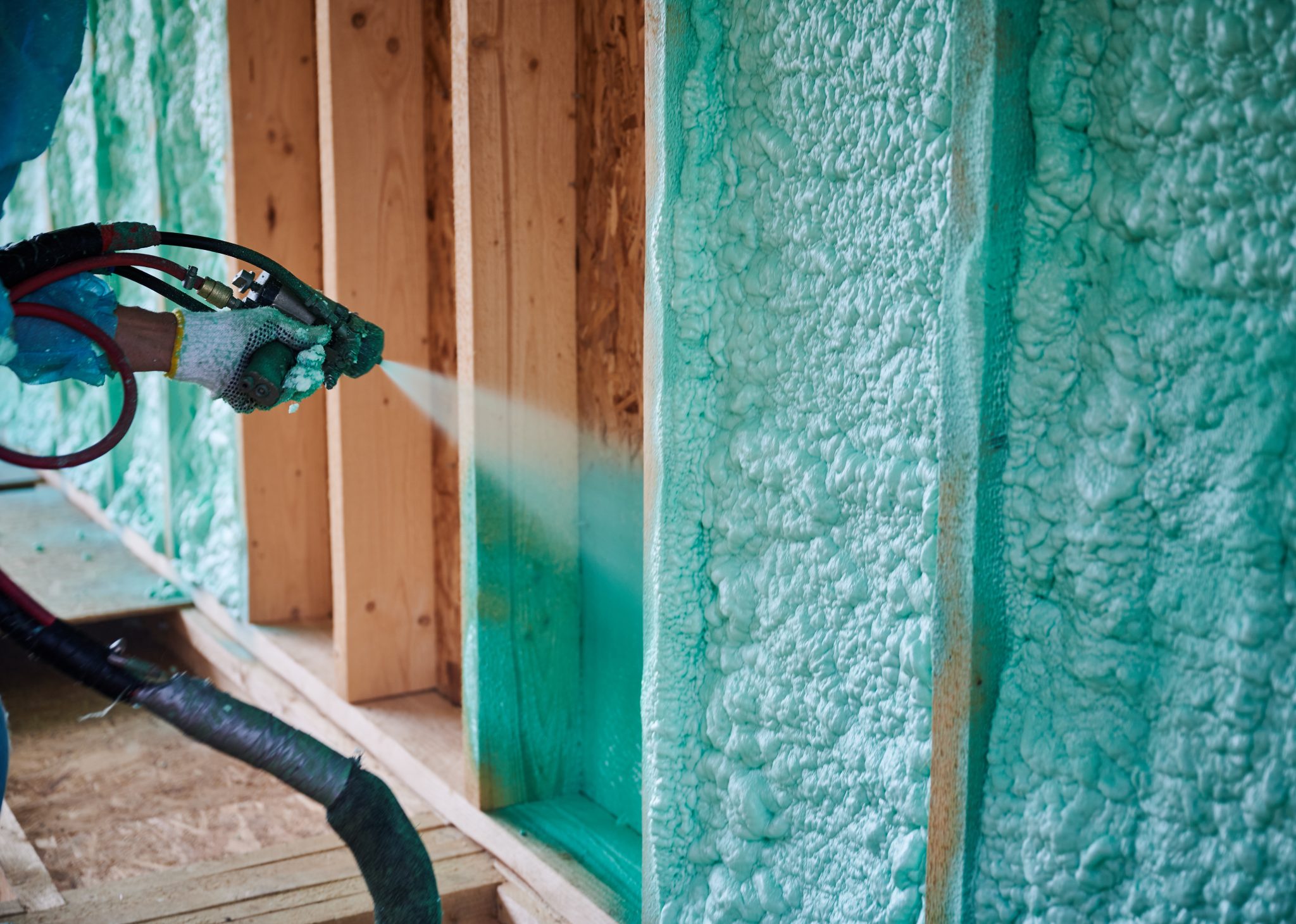
Moisture intrusion is one of the most overlooked risks in commercial and industrial buildings. While roof leaks and plumbing failures are obvious concerns, much of the moisture damage that impacts building performance begins quietly, inside walls, above ceilings, and within insulation systems.
For facility managers and property management professionals, preventing moisture problems is not just about protecting materials. It’s about protecting occupant health, maintaining indoor air quality, and avoiding long-term structural and financial consequences.
A smarter insulation strategy, particularly one that incorporates water proof spray foam, can significantly reduce the risk of mold growth and hidden water damage while improving overall building performance.
Why Moisture Control Matters in Commercial Buildings
Commercial structures constantly experience temperature changes, humidity shifts, and air pressure differences. These forces drive moisture into wall and roof assemblies through small cracks, penetrations, and porous materials. Over time, trapped moisture can degrade insulation, corrode structural components, and create the conditions mold needs to grow.
Unlike visible roof leaks, moisture that enters through air infiltration or vapor diffusion often goes unnoticed until damage is extensive. By the time staining, odors, or indoor air quality complaints appear, remediation costs can be significant.
How Commercial Insulation Design Influences Mold Risk
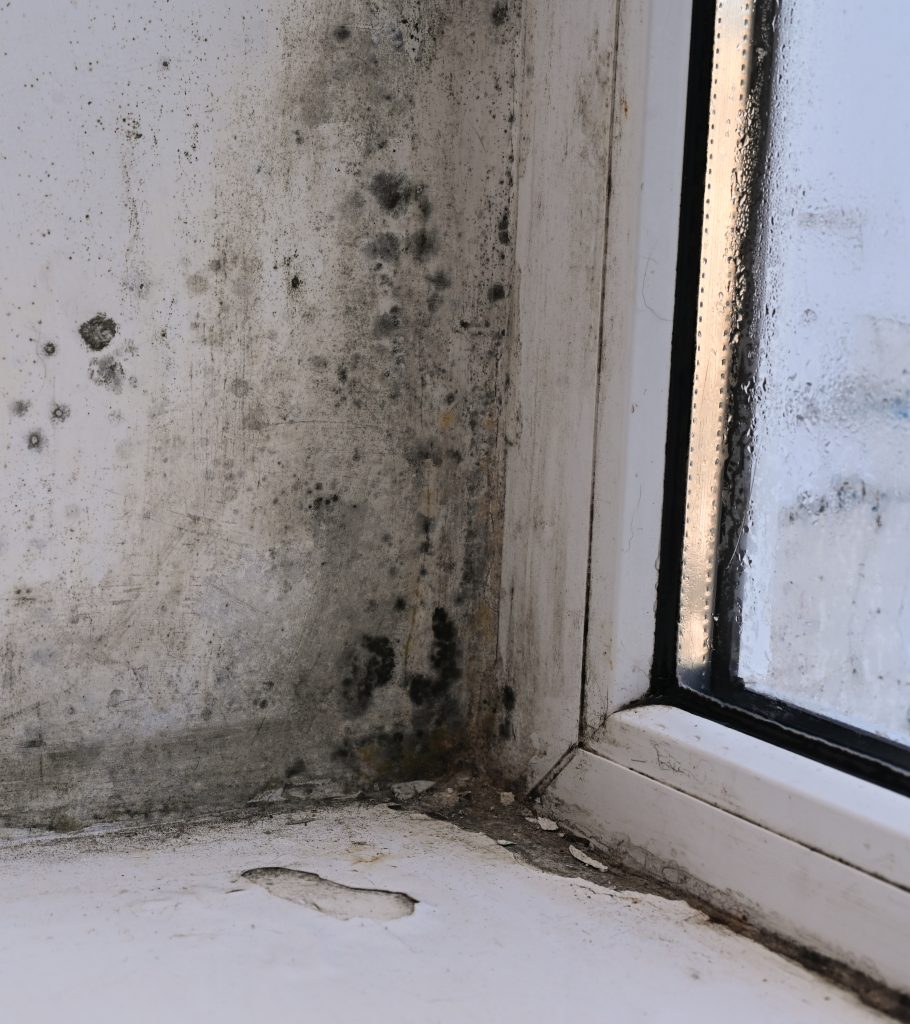
Traditional insulation materials can absorb and retain moisture. Once damp, they lose thermal performance and may remain wet for extended periods, especially in low-airflow cavities. That retained moisture becomes a breeding ground for mold.
By contrast, closed cell foam insulation provides both thermal resistance and a built-in moisture barrier. Its dense structure resists water absorption and significantly reduces air infiltration. Because air movement is one of the primary ways moisture travels through buildings, limiting uncontrolled airflow directly reduces condensation potential. When properly installed, high-performance commercial insulation systems help stabilize interior conditions, reduce humidity migration, and support long-term durability of the building envelope.
The Protective Advantage of Water Proof Spray Foam
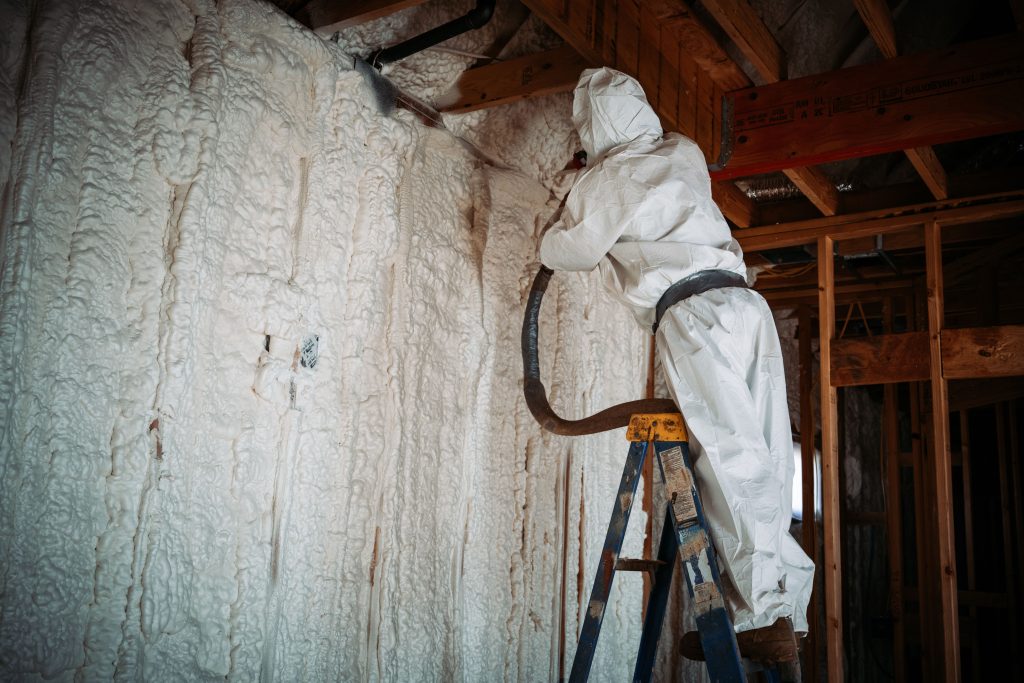
One of the most effective tools in moisture management is water proof spray foam. Unlike fibrous insulation, spray foam expands and adheres directly to substrates, sealing cracks, joints, and penetrations that would otherwise allow humid air to pass through.
Closed cell formulations create a rigid, continuous barrier that strengthens wall assemblies while resisting bulk water intrusion. In climates where buildings experience high humidity or dramatic temperature swings, this added protection reduces the likelihood of condensation forming inside wall systems. Because it integrates insulation and air sealing in one application, spray foam reduces the need for multiple layered materials and minimizes the risk of gaps between components. For facility managers, this means fewer vulnerabilities hidden behind finished surfaces.
Waterproofing Material Alone Is Not Enough
Exterior waterproofing material, such as membranes and coatings, plays an essential role in protecting buildings from rain and surface water. However, relying solely on exterior systems does not address vapor movement or interior condensation.
True moisture control requires an integrated approach. When foam wall insulation works together with exterior waterproofing systems and proper drainage design, buildings gain layered protection against both bulk water and vapor intrusion. This comprehensive strategy is especially important in industrial and large-scale commercial facilities where temperature differentials between interior and exterior environments can drive continuous moisture migration.
Supporting Indoor Air Quality and Occupant Health
Mold growth is more than a maintenance issue; it is a health concern. Poor indoor air quality can lead to respiratory irritation, allergic reactions, and discomfort among building occupants. In multi-tenant commercial environments, these concerns can quickly become liability issues.
By reducing uncontrolled air movement and limiting moisture retention inside wall assemblies, foam wall insulation helps create a more stable indoor environment. Closed cell systems also reduce the infiltration of outdoor pollutants, contributing to cleaner and more consistent indoor air conditions. For property managers, improved insulation design translates into fewer tenant complaints, more predictable maintenance costs, and stronger long-term asset protection.
Long-Term Performance and Cost Control
Moisture damage is rarely inexpensive to correct. Structural repairs, mold remediation, and repeated insulation replacement can disrupt operations and strain capital budgets.
Investing in high-performance commercial insulation systems, particularly closed cell foam insulation, provides long-term financial benefits by preserving R-value, strengthening building assemblies, and reducing the risk of hidden deterioration. Because closed cell foam resists moisture absorption, it maintains its insulating performance over time, helping facilities manage energy costs more effectively. In this way, insulation becomes more than an energy upgrade. It becomes a risk management strategy.
Building Smarter from the Inside Out
Effective moisture control starts with thoughtful insulation design. Incorporating water proof spray foam, high-performance foam wall insulation, and complementary waterproofing material systems creates a building envelope that actively resists mold and moisture intrusion.
At Brazos Thermal Systems, we approach insulation as an integrated system designed to protect structural integrity, support occupant health, and reduce long-term maintenance costs. For facility and property management professionals, that means fewer surprises and greater confidence in building performance.
If you are evaluating moisture concerns, planning a renovation, or designing a new commercial project, contact our team and implement insulation strategies that prioritize durability, safety, and long-term value.