
Winter weather can quietly take a toll on commercial roofing systems. Even in regions without heavy snow, colder temperatures, storms, debris buildup, and moisture exposure can create small issues that grow into larger problems if they’re left unaddressed.
That’s why spring is the ideal time for a comprehensive inspection and cleaning. A well-planned roofing maintenance checklist helps property managers identify damage early, extend roof lifespan, and prevent costly emergency repairs later in the year.
At Brazos Thermal Systems, we encourage facility managers and property owners to treat seasonal maintenance as a proactive strategy, not a reactive fix.
Why Spring Roof Maintenance Matters
Winter conditions often expose vulnerabilities in roofing systems. Temperature swings cause materials to expand and contract, seals may loosen, and drainage systems can accumulate debris. Even minor damage can allow moisture to enter roofing assemblies if it goes unnoticed.
A seasonal roof maintenance checklist ensures that potential issues are addressed before spring storms or summer heat put additional stress on the building envelope. Regular inspections also help maintain manufacturer warranties and support long-term capital planning.
When maintenance becomes part of a structured building management routine, roofs tend to last longer and perform more reliably.
Starting Your Spring Cleaning Checklist for Your Roof
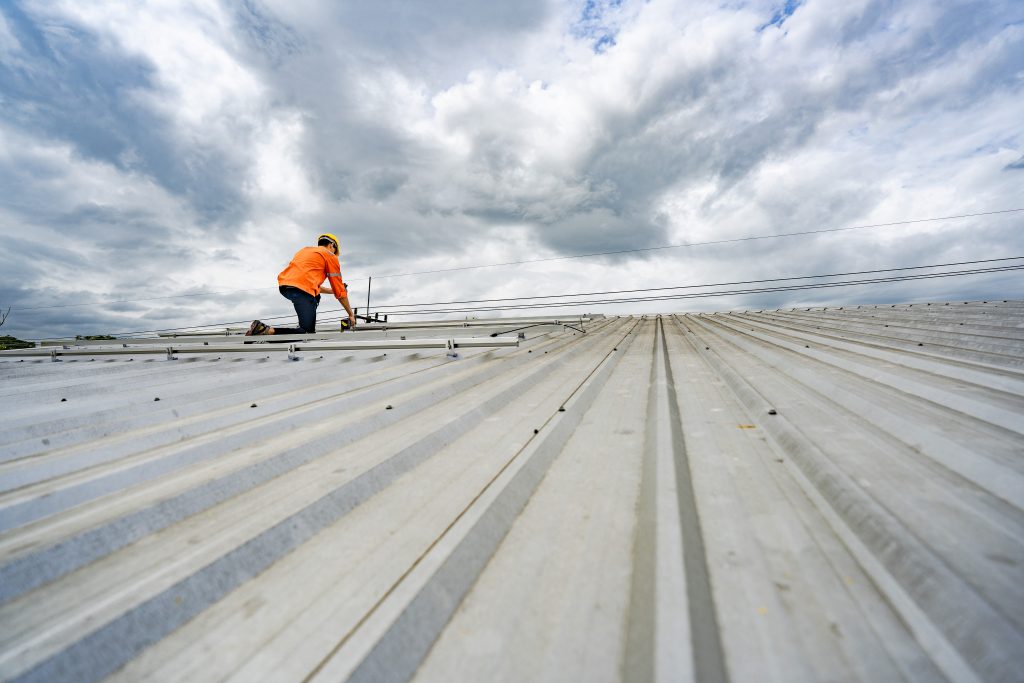
A spring inspection should begin with a general visual review of the roof surface. Facility teams should look for obvious damage such as membrane punctures, displaced flashing, debris accumulation, or areas where water may have pooled during winter storms.
A typical spring cleaning checklist for roofing should include:
- Evaluating drainage systems
- Clearing debris
- Checking seams and penetrations
- Inspecting roof-mounted equipment
These steps help ensure the roof can properly shed water during seasonal rain events.
Drainage is particularly important during spring because clogged drains or blocked scuppers can quickly lead to ponding water and premature membrane deterioration.
The Importance of Roof and Gutter Maintenance
One of the most overlooked aspects of seasonal roofing care is roof and gutter maintenance. Gutters, downspouts, and internal drains often collect leaves, sediment, and wind-blown debris throughout the winter months.
When these systems are obstructed, water may back up onto the roof surface. Over time, standing water accelerates material breakdown and increases the likelihood of leaks.
Spring inspections should verify that drainage paths are clear and functioning properly. This simple step can significantly reduce the risk of water intrusion and structural stress.
When to Schedule Professional Roof Cleaning Services

While basic inspections can be performed by maintenance teams, professional roof cleaning services provide deeper protection for commercial roofs.
Specialized cleaning removes organic growth, dirt buildup, and contaminants that can degrade roofing materials over time. In addition, professional crews are trained to identify early warning signs that might otherwise go unnoticed during routine inspections.
For many commercial properties, scheduling professional cleaning once or twice per year helps maintain the integrity of roofing systems while keeping maintenance predictable.
Special Considerations for Metal Roof Maintenance
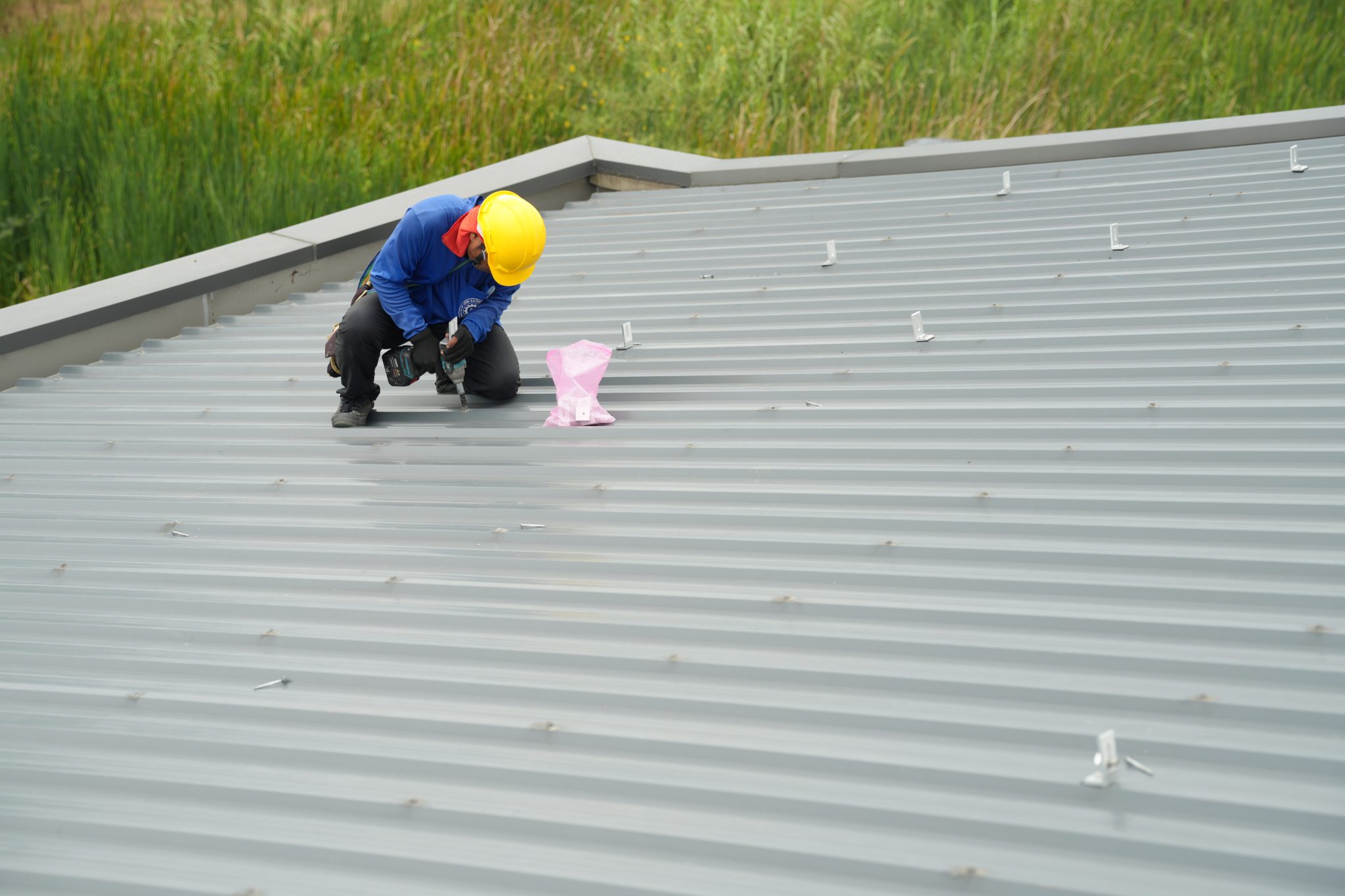
Buildings with metal roofing systems require slightly different inspection priorities. Metal roof maintenance often focuses on checking fasteners, seams, and protective coatings.
Over time, fasteners may loosen due to expansion and contraction cycles. Sealants around penetrations can also degrade with age and weather exposure. Addressing these issues early prevents water from entering seams and joints.
Routine inspections should also look for surface corrosion or coating wear that may require touch-up treatments to preserve the roof’s protective layer.
Turning Maintenance Into a Long-Term Strategy
A seasonal roofing maintenance checklist is more than a spring task, it’s part of a larger asset management strategy. When maintenance is scheduled consistently, property managers gain a clearer understanding of roof conditions and can plan repairs or replacements more effectively.
Instead of reacting to leaks or emergency failures, facility teams can make informed decisions based on inspection history and performance trends.
This approach reduces operational disruptions, protects tenant satisfaction, and helps extend the life of commercial roofing systems.
Protecting Your Building Through Proactive Roof Care
Spring offers the perfect opportunity to assess the condition of your roof after winter weather and prepare it for the seasons ahead. By following a structured roofing maintenance checklist, property managers can address small issues early, maintain proper drainage, and prevent avoidable damage.
At Brazos Thermal Systems, we work with facility and property management teams to support proactive roof and gutter maintenance, professional inspections, and long-term roofing performance. With the right maintenance strategy in place, commercial roofs can deliver dependable protection for years to come. Contact us to see how we can get your roof ready for the season ahead.